Mobile Welding ServicesOn-site welding & metal repair across Texas — we come to you
Mobile pontoon repair across Texas
Aluminum Pontoon Boat Repair TX: Mobile Pontoon Welding Near You
A leaking pontoon tube, a cracked bracket or a cross member that let go on the trailer can end your season fast. Alpha Mobile Welding TX connects pontoon owners with partner welders who repair aluminum pontoons on site, at the lake house, the marina lot or your driveway, from the Gulf Coast ports to the inland lakes. Send photos and we’ll tell you what the repair looks like before anyone shows up.
Send photos of the damage for a faster estimate. Same-day visits depend on partner availability.
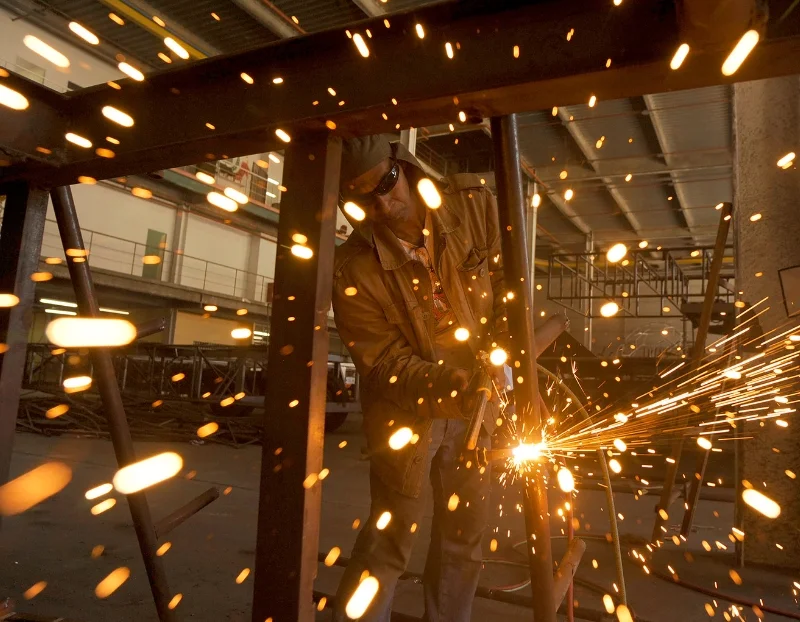
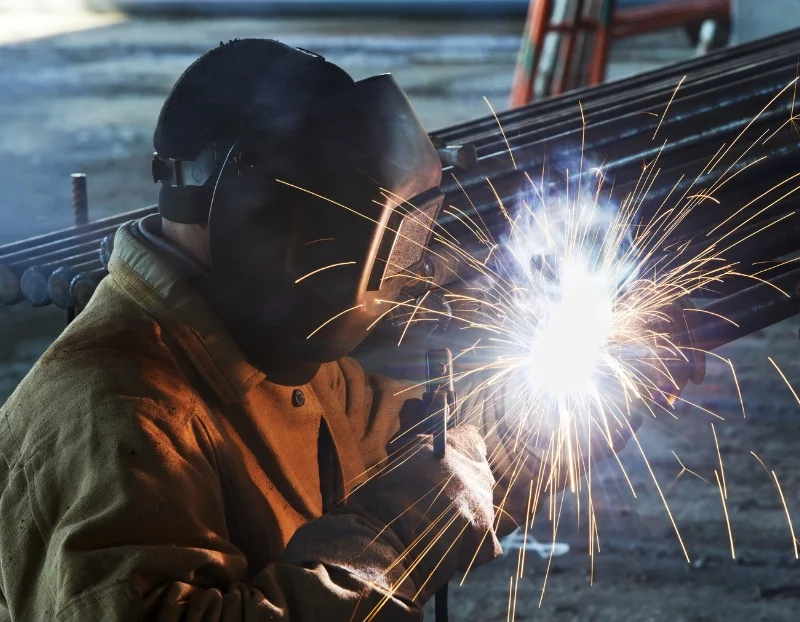
What the work involves
What Aluminum Pontoon Boat Repair Actually Involves
Most pontoon tubes, often called logs, are rolled from marine-grade 5052 aluminum and welded into sealed chambers separated by internal baffles. That design keeps the boat floating if one chamber is damaged, but it also hides problems. A hairline crack at a seam can let water in slowly for a whole season before the boat starts to list or sit low at the stern.
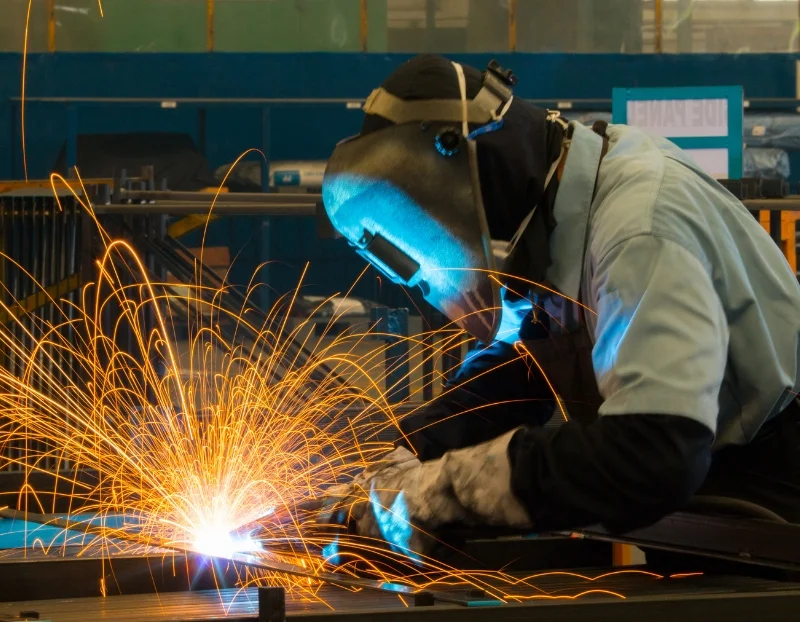
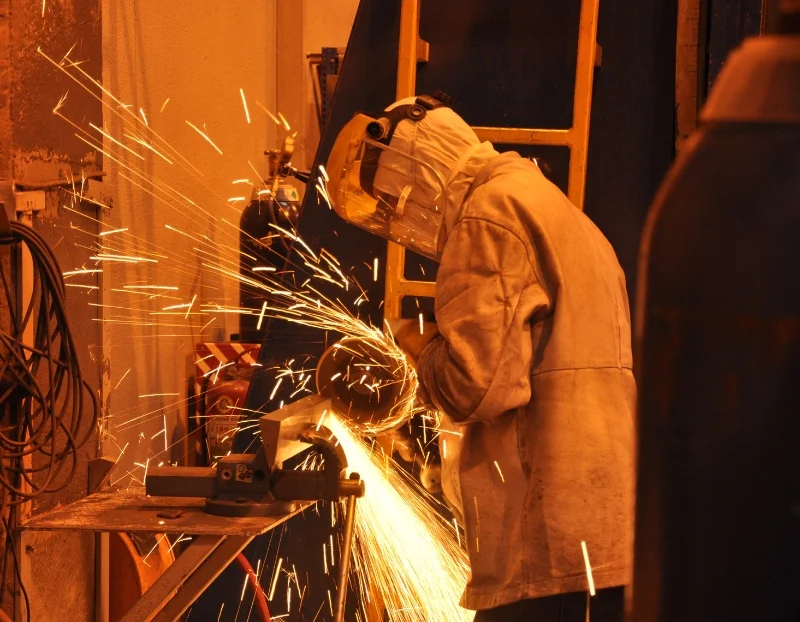
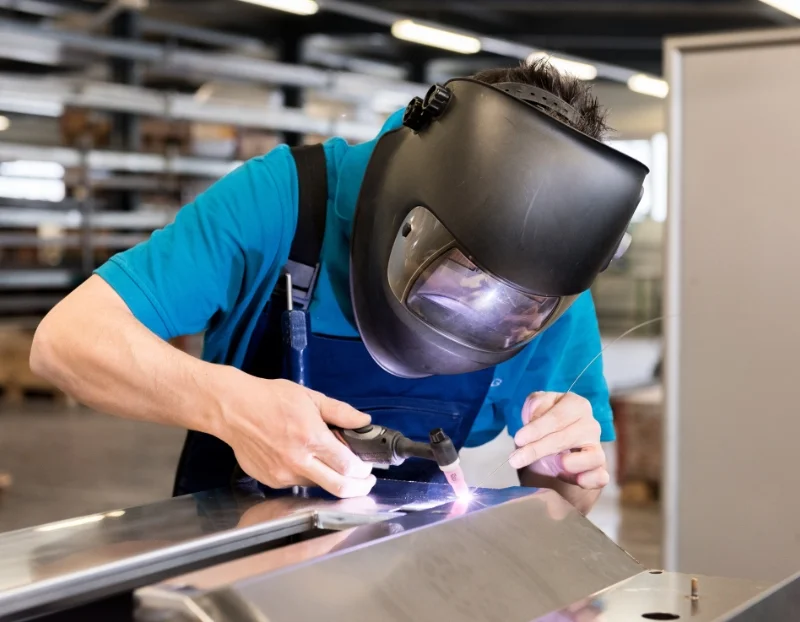
Repairing a pontoon properly means finding the leak, draining the chamber, cleaning the aluminum down to bright metal and welding with a filler that suits the base metal. On 5052 tubes our partners normally use 5356 wire or rod, laid with a MIG spool gun or TIG depending on thickness, position and access. The repair is then checked with low air pressure and soapy water before the boat goes back in.
The same skills cover deck brackets, cross members, motor pods, ladder mounts and the trailer underneath. For V-hulls, bay boats and jon boats, see our boat and marine welding page, and for general aluminum jobs, aluminum welding near me.
- Tube and chamber leak repair
- Seam, keel and nose cone cracks
- Bracket and cross member welding
- Motor pod and transom repair
- Pontoon trailer welding
Common damage
Pontoon Problems We See Most Often in Texas
Texas pontoons work hard: long summers, shallow coves, saltwater bays and plenty of highway miles on the trailer.
Leaking tubes
A boat that lists to one side, sits nose-down or feels sluggish usually has water in a chamber. The source is often a pinhole at a weld seam, a stress crack near a bracket or corrosion pitting.
Nose cone damage
Nose cones take the hit from stumps, rock ledges, docks and beaching. Shallow dents can often be left alone, but punctures and cracked cone-to-tube seams need cutting out and rewelding.
Cracked brackets and risers
The welded brackets that tie cross members to the tubes crack from flex, rough roads on the trailer and wave pounding. Left alone, the crack keeps running into the tube skin.
Saltwater corrosion
Boats kept near Galveston Bay, Corpus Christi Bay or Port Aransas show pitting where salt sits, and galvanic corrosion where stainless fasteners or steel trailer parts touch bare aluminum.
Keel and strake wear
Keels and lifting strakes get ground down on boat ramps, oyster reefs and sandbars. Worn strakes change how the boat tracks and can eventually expose the tube skin underneath.
Motor mount and pod cracks
Bigger outboards on tritoons put real load on the transom pod or motor bracket. Cracks around the mounting plate are a safety problem, not a cosmetic one.
Mobile pontoon services
Mobile Pontoon Boat Repair and Pontoon Welding Services
Every job starts with an inspection, because the crack you can see is not always the whole story.
Pontoon tube leak repair
Leak hunting, chamber draining, stop-drilling crack ends where needed and full-penetration TIG or MIG welds with 5356 filler, finished with a low-pressure air and soap test.
Nose cone repair and replacement
Patch plates for torn cones, rewelding the cone-to-tube joint, or fitting a new cone section when the original is too damaged to save.
Bracket and cross member welding
Rewelding cracked tube brackets, adding gussets where the design flexes too much, and replacing bent or broken C-channel or Z-bar cross members under the deck.
Patch plates and doublers
Properly sized aluminum patches with rounded corners, so stress does not pile up at a sharp edge and start a fresh crack right beside the repair.
Keel, strake and motor pod work
New keel guards and lifting strakes, transom pod crack repair and reinforcement around outboard mounting areas on pontoons and tritoons.
Pontoon trailer welding
Bunk brackets, cracked crossmembers, tongue repairs and rusted steel frame sections on pontoon trailers, often handled on the same visit as the boat.
Why Alpha Welding
Why Pontoon Owners Call Alpha Welding
You need someone who knows thin aluminum, not just someone with a welder in the truck.
Aluminum know-how
Pontoon work is thin-wall aluminum welding. Partner welders bring spool guns and TIG setups suited to it, not steel stick rigs.
We come to the boat
No hauling a 24-foot tritoon across town. Repairs happen at your lift, lake house, storage lot or marina, with the marina’s permission.
Straight answers first
Send photos and we’ll tell you whether it looks like a repair, a patch or a tube replacement before a visit is booked.
Statewide partner network
Coverage from Houston-area ports and Gulf Coast bays to lakes in East Texas, the Hill Country and DFW, confirmed per address.
How it works
How Mobile Pontoon Repair Works
A simple process, so you know what happens at each step.
Send photos
Call 979-250-7486 or use the form. Photos of the damage and where the boat sits help us quote accurately.
Get an estimate
We review the damage, check partner availability near you and explain the price and any prep needed.
On-site repair
The partner welder confirms the leak, drains and cleans the chamber, then welds and reinforces where needed.
Test and finish
The repair is checked with low air pressure and soap solution, then cleaned up so you can get back out.
Practical guide
Pontoon Tube Repair Guide for Texas Boat Owners
A few honest points about pontoon repairs before you book, based on what partner welders run into on Texas lakes and bays.
Can a pontoon tube be welded while the boat is in the water?
No. The damaged area has to be dry, clean and out of the water. Most owners raise the boat on a lift, pull it onto the trailer or have it set on stands at a marina. Water inside the chamber has to come out first, through a drain plug or a small hole that gets welded shut afterward. Welding against trapped moisture causes porosity, and a porous weld leaks again. If the boat lives on a lift, many repairs can be done right there once the tube is up and dried out.
Finding the leak is half the job
Water in a tube does not always come in where the obvious damage is. A common method is to seal the chamber, add a very small amount of air pressure, usually just a couple of psi, and brush soapy water along seams, brackets and the keel. Bubbles show the leak. Too much pressure can bulge or split a tube, so this is not a job for a shop compressor at full output. Older boats often have more than one leak, so partners check the whole chamber.
Saltwater pontoons along the Texas coast
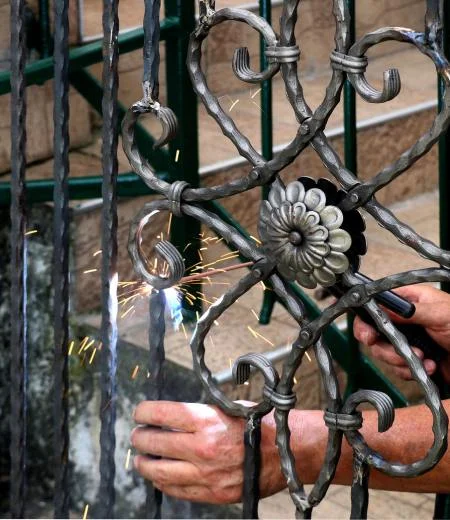
Pontoons used on Clear Lake, Galveston Bay, Matagorda Bay, the Laguna Madre or around Port Aransas and Rockport wear differently from lake boats. Salt left on the tubes causes pitting, especially under brackets and anywhere dirt and moisture collect. Stainless bolts and steel trailer bunks touching bare aluminum can start galvanic corrosion. Pitted metal has to be ground back to sound aluminum before welding, and badly thinned spots get a doubler plate rather than a weld buildup. Partner welders around Houston and Corpus Christi see a lot of this. A freshwater rinse after every salt trip makes a real difference.
Before the welder arrives
- Get the boat out of the water with the damage reachable
- Pull the drain plugs so trapped water can run out
- Remove furniture or carpet only if we ask you to
- Have power nearby, or tell us if there is none
- Clear hot work with your marina or HOA if rules apply
Related welding services
Not sure it's worth fixing?
Send a few photos plus the boat’s length and year. We’ll tell you honestly whether a repair makes sense or the tube is past saving.
Service areas
Pontoon Boat Repair Near Me: Texas Lakes, Bays and Ports
Pontoon welding is coordinated through partner welders across Texas, so coverage depends on your exact address and the partner schedule. We confirm availability for every job, whether the boat sits at a coastal marina, a lake house lift or a storage lot. Urgent breakdown? See emergency welding.
Upper Texas Coast and Ports
- Houston
- Baytown
- League City and Clear Lake
- Pasadena
- Galveston and Kemah
- Freeport and Surfside
Coastal Bend and Rio Grande Valley
- Corpus Christi
- Port Aransas and Rockport
- Port Lavaca
- Brownsville
- Port Isabel and South Padre
- McAllen
East Texas and Houston-Area Lakes
- Lake Conroe
- The Woodlands
- Beaumont and Port Arthur
- Lake Livingston
- Sam Rayburn and Toledo Bend
FAQs
Pontoon Boat Repair Questions Texas Owners Ask
Straight answers to the questions we hear most from pontoon owners.
Can an aluminum pontoon tube be welded?
Yes. Most pontoon tubes are 5052 marine aluminum, which welds well when the metal is clean and dry. Cracks, pinholes, seam leaks and bracket failures are usually repaired with TIG or a MIG spool gun using 5356 filler, then checked with low air pressure and soapy water.
Is there a mobile pontoon repair welder near me in Texas?
Alpha Mobile Welding TX coordinates partner welders across Texas, from Houston, Galveston Bay and Corpus Christi to Lake Conroe, Lake Travis and the DFW lakes. Call 979-250-7486 or send photos through the form, and we’ll confirm whether a partner can reach your address and when.
How do I know if my pontoon tube is leaking?
Common signs are a boat that lists to one side, sits low at the bow or stern, is slow to get up to speed, or drains water when you pull a tube plug. If one tube rides noticeably lower than the others after the boat sits a few days, it likely has water inside.
Can you repair a pontoon while it's in the water?
No. The repair area must be out of the water, dry and clean before welding. A boat lift, the trailer or blocks at a marina all work. Any water inside the chamber is drained first, because moisture causes porous welds that leak again.
How much does pontoon boat welding cost?
It depends on the damage, how easy it is to reach, whether the chamber needs draining or foam removed, and travel to your location. A single pinhole costs far less than a torn nose cone or several cracked brackets. Send clear photos and we’ll give you an estimate first.
Should I repair or replace a damaged pontoon tube?
Repair is usually the better choice for cracks, small punctures, seam leaks and bracket damage. Replacement makes sense when the tube has heavy pitting over large areas, thin walls in many places or a long crushed section. If the boat is under warranty, check with the builder before any outside welding.
Do you weld saltwater pontoons on the Texas coast?
Yes. Partner welders handle pontoons used on Galveston Bay, Clear Lake, Matagorda Bay, Corpus Christi Bay and the Laguna Madre. Saltwater boats often need pitted areas ground back to sound metal, doubler plates added, and fasteners and trailer contact points checked for galvanic corrosion.
Can foam-filled pontoon tubes be welded?
Yes, with care. Welding heat can melt or ignite foam, so foam near the repair is cut back first. If a tritoon carries its fuel tank in the center log, the tank and any vapor space are emptied and made safe before heat is applied. Tell us about either when you call.
Do you also repair pontoon trailers?
Yes. Pontoon trailers often need bunk bracket repairs, cracked crossmembers, tongue repairs and rusted frame sections replaced, especially after saltwater use. Many owners get the trailer and the boat repaired on the same visit, since the boat is already sitting on it.
How long does a mobile pontoon repair take?
A single crack or pinhole is often done in a few hours on site, including draining, cleaning, welding and testing. Nose cone replacements, multiple brackets or large patches take longer. Scheduling depends on partner availability, and same-day visits are possible but never guaranteed.
Request an estimate
Get Your Pontoon Back on the Water
Tell us where the boat is and what’s wrong, attach a few photos, and we’ll reply with an estimate and partner availability near you.
- Free, no-obligation estimates
- Photos help us understand the job faster
- Same-day requests depend on partner availability