WELDING & REPAIR
Mobile Welding and Metal Repair Services in Texas
A gate dragging on its hinge, a trailer tongue cracked at the coupler, a patio table with a leg snapped off. Most metal breaks are small jobs that nobody wants to haul to a shop. Alpha Mobile Welding TX coordinates partner welders who come to your driveway, pasture, shop or parking lot and fix the thing where it sits. Steel, aluminum, stainless and some cast iron, each welded the way that metal needs. Call 979-250-7486 or send a photo for a straight answer on whether it can be fixed.
Same-day visits are subject to partner availability in your area.
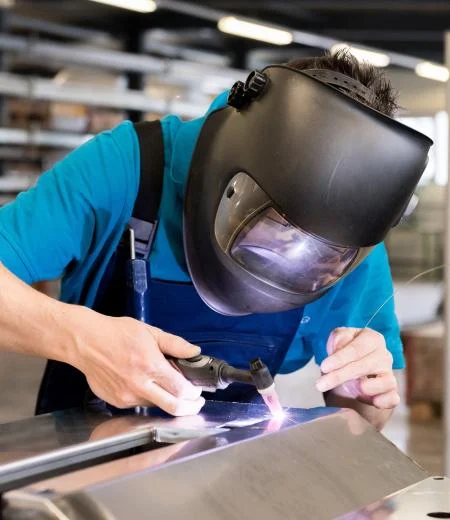
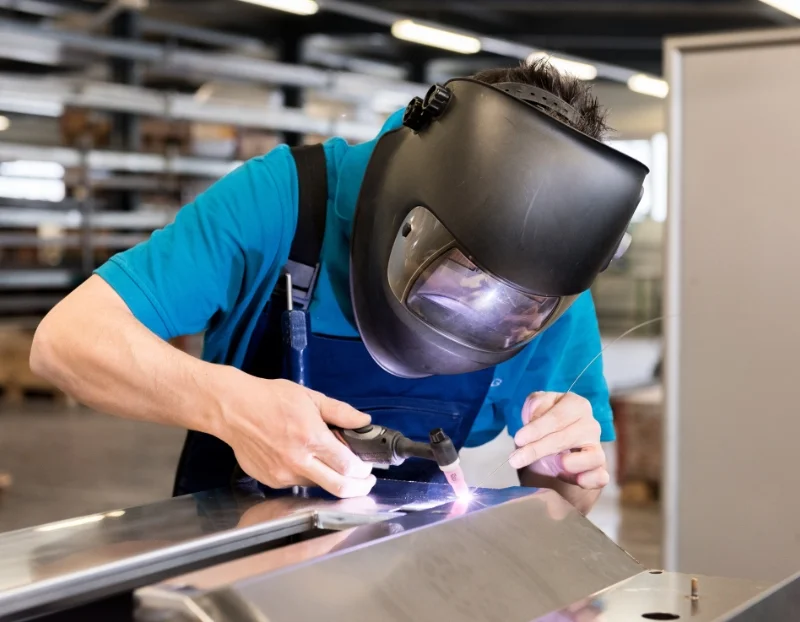
The scope
What welding and repair work looks like day to day
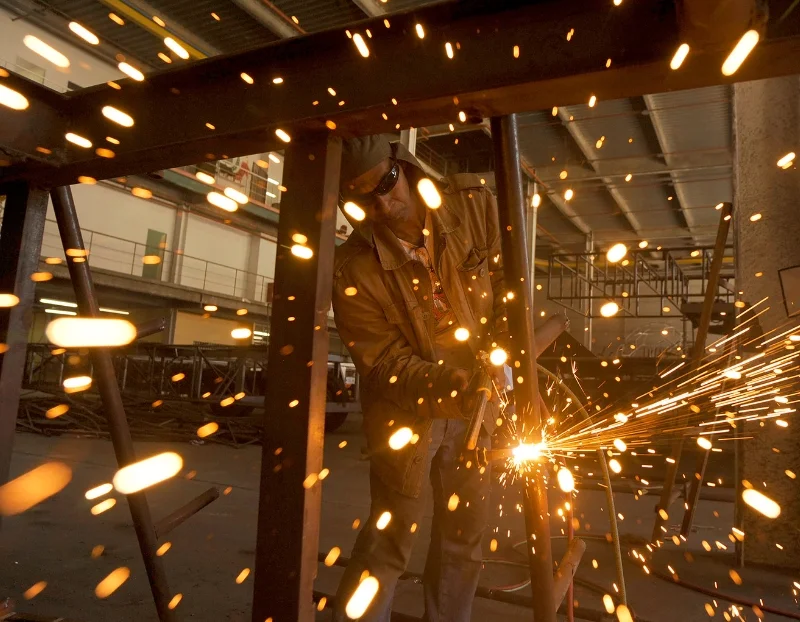
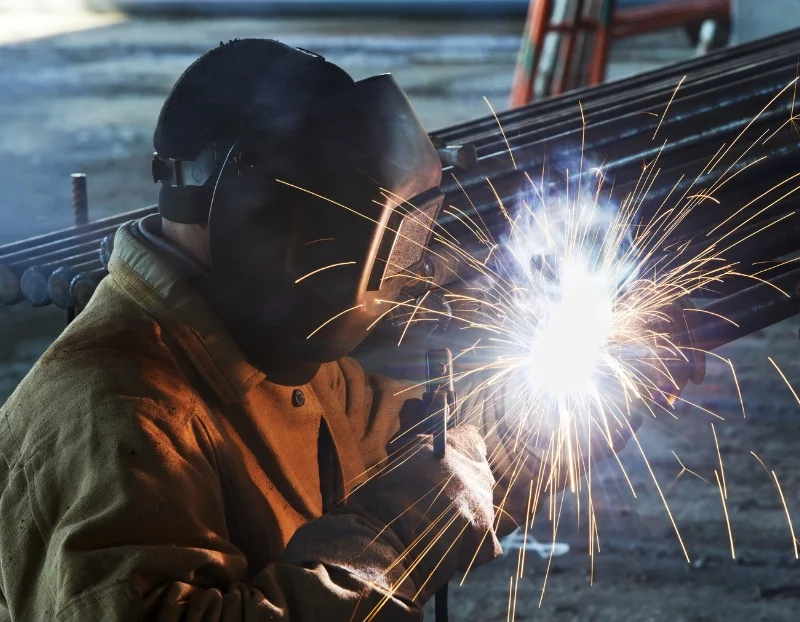
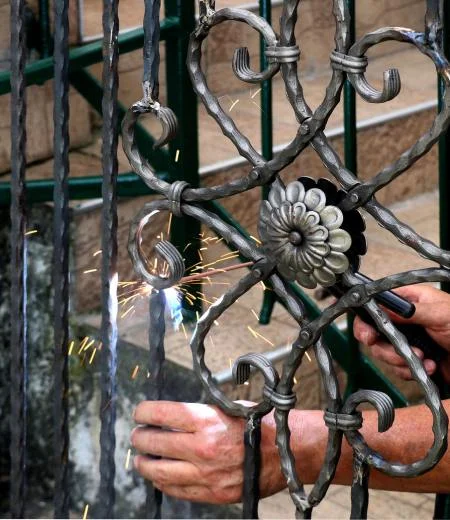
Welding repair is the everyday side of the trade: putting broken metal back together so it works again and lasts. The list is long because metal is everywhere. Gates and fences, railings, trailer frames and hitches, steel furniture, patio and grill frames, basketball goals, mailbox posts, brackets and racks, exhaust hangers and non-structural automotive parts, lawn mower decks, tractor implements and farm equipment. The common thread is that the part is worth more fixed than replaced, and it is easier to bring a welder to the part than the reverse.
A good repair is more than a bead over a crack. The partner identifies the metal, cleans it to bright, finds how far the damage really goes, decides whether the joint needs reinforcement, welds it with the right process and filler, and finishes it so it does not rust out in a season. That sequence is why some repairs last for years and others fail in a month.
Not everything should be welded on site, and partners say so. Fuel tanks, pressure vessels, vehicle frames and suspension parts, heat-treated and chrome-plated parts are unsafe to weld in the field, need a procedure and inspection, or lose their strength in the heat. Those limits are explained below.
- Gates, fences, railings and handrails
- Trailer frames, tongues, hitches and ramps
- Furniture, patio, grill and basketball goal frames
- Brackets, racks, mailboxes and shop fixtures
- Lawn, farm and light equipment repairs
Common calls
The breaks and failures people call about most
Six repairs that make up most of the everyday welding calls.
Gate sagging or hinge torn off
Weld-on hinges pull out of the post or the frame racks out of square. Partners rehang the gate, replace hinges with heavier ones and add a diagonal brace so it stays true.
Trailer tongue or frame cracked
Cracks appear at the coupler, the spring hangers and the cross-member welds. The crack is ground out, welded through and reinforced with a fishplate where the frame allows.
Railing posts loose
Rust at the base plate or a broken weld lets the rail move. Partners cut out rotten sections, sleeve or replace posts and re-weld the rail so it holds again.
Patio, grill or furniture frame broken
Thin tube and cast aluminum legs snap at the joints. TIG or MIG with the right filler brings the piece back without burning through.
Basketball goal or mailbox post bent
A car, a storm or a kid on the rim bends the post or splits the bracket. Straightened, sleeved and welded so it stands plumb and takes the next hit.
Mower deck or implement cracked
Decks crack at the spindle mounts; shredder and disc frames crack at the hitch. Welded and gusseted so the next pass through the pasture does not finish them off.
Repair services
Metal repair services partners provide on site
Every repair starts with identifying the metal and the cause of the failure.
Steel repair and reinforcement
MIG or stick repair on mild steel frames, posts, brackets and tube, with gussets, sleeves and fishplates added where the original design was the weak point.
Aluminum repair
TIG and spool-gun MIG on aluminum gates, boat trailers, truck boxes, railings and furniture using 4043 or 5356 filler matched to the alloy.
Stainless steel repair
TIG repairs on stainless rails, kitchen and bar fixtures, tanks that are not under pressure and marine hardware, with back-purge where it matters.
Cast iron repair
Nickel-rod repairs on weldable cast iron parts such as bench bases, old gate hardware and machine housings, with preheat and slow cooling.
Trailer and hitch repair
Tongues, couplers, safety chain loops, ramps, fenders and cross-members on utility, equipment, livestock and boat trailers.
Finishing and rust prevention
Grinding, wire-brushing, zinc-rich primer and paint so the repaired joint does not become the first place rust returns.
Why Alpha Welding
Why homeowners, ranchers and small businesses call Alpha
The right welder for the metal, at your location, with an honest answer about what should and should not be fixed.
One call, many metals
Steel, aluminum, stainless and cast iron each need different equipment and filler. Partners are matched to the metal you have.
Repairs that are built to last
Clean metal, crack-arrest, reinforcement and finishing are standard, not extras, because a repair that fails is a wasted trip.
Honest repair-or-replace advice
If a new part costs less than the repair or the part is unsafe to weld, you hear it before anyone lights a torch.
Where the metal is
Driveways, barns, back yards, loading docks and parking lots. No trailer to borrow, no shop queue.
How it works
From photo to finished repair
Four quick steps for most everyday repairs.
Send a photo and a description
What broke, what it is made of if you know, and where it is. A hand in the photo helps with scale.
Get a straight answer
We tell you whether it is a good repair candidate, roughly what it will cost and which partner welder is available.
Partner repairs on site
The welder cleans, preps, welds and reinforces the part with the process and filler the metal needs.
Finished and protected
Welds are ground where needed, primed or painted, and you get a clear note on what was done.
Technical guide
Metal repair explained: materials, failures, finishing and limits
What to know before you ask someone to weld a broken part, and how to tell a lasting repair from a quick one.
Steel, aluminum, stainless and cast iron each need something different
Mild steel is the forgiving one: MIG with ER70S-6 wire or stick with E6011 or E7018 handles most of it, even with light rust. Aluminum needs a clean surface, a dedicated stainless brush, higher heat and AC TIG or a spool gun, with 4043 filler for castings and 5356 where strength matters. Stainless needs matching filler such as 308L or 316L, controlled heat to avoid warping and discoloration, and a purge on tube that carries liquid. Cast iron is the hard case: brittle and high in carbon, it cracks as it cools unless it is preheated, welded in short runs with nickel rod, peened and cooled slowly.
Why repairs fail
Most failed repairs share the same mistakes. The metal was not cleaned, so paint, oil, galvanizing or rust ended up in the weld as porosity and the bead never bonded. The crack was welded over without finding its end, so it kept running from the buried tip. The joint was put back exactly as it was, with no gusset, sleeve or fishplate, so the weak design failed again at the same spot. Or rust was painted over rather than cut out, and the weld was laid on metal already too thin to hold. Partners address each of those before they strike an arc.
Repair or replace
The honest test is simple. If a replacement part costs less than the welder’s trip and the labor, replace it. If the part is unique, discontinued, built into something larger or just well made, repair it. Gates, trailers, railings and farm implements are almost always worth fixing. Thin imported patio furniture and mass-produced brackets often are not, unless the repair is quick or the piece has value to you. Partners will say which side of the line your job falls on from a photo.
Finishing so the rust does not come back
A weld is bare metal, and the heat burns off any coating for an inch or two around it. Left alone, that band rusts first and the repair looks bad within a season in Texas humidity. Partners grind or brush the weld and the heat-affected zone, remove slag and spatter, and apply a zinc-rich primer followed by paint that matches as closely as a field job allows. On galvanized parts the coating is ground back before welding and a cold-galvanizing compound is applied afterward. Aluminum and stainless are brushed clean and left bare.
What should not be welded on site
Fuel tanks, even empty ones, hold vapor that explodes, and they are not welded in the field without purging and a procedure that most small repairs cannot justify. Pressure vessels, air receivers and anything with a code stamp require a qualified procedure and inspection. Vehicle frames, axles, control arms, steering and suspension parts are safety-critical; manufacturers prohibit most of these repairs and partners decline them. Heat-treated parts such as springs and hardened pins lose their temper in the weld, and chrome-plated parts give off toxic fumes and crack under the plating. The answer for all of these is replacement or a specialist shop.
Small jobs partners handle regularly
- Gate hinges, latches and drop rods
- Trailer safety chain loops and jack mounts
- Handrail posts and base plates
- Shop tables, racks and shelving brackets
- Mower decks, blade spindles and implement hitches
Related welding services
Not sure if it can be fixed?
Send a photo and we will tell you whether it is a good repair candidate, what metal it is and roughly what a partner welder would charge.
Where partners work
Welding repair coverage across Texas
Alpha coordinates repair welders in the major metros and the suburbs, ranch land and small towns around them. Coverage is confirmed per address when you call, since a welder near Katy is a different partner from one working the Rio Grande Valley.
FAQs
Welding and repair questions
Straight answers to the questions that come up before a repair call.
Can you weld my cracked trailer tongue?
Usually. The crack is ground out to its end, welded through in multiple passes and reinforced with a fishplate or sleeve. If the tongue is rusted thin or the crack runs into the coupler casting, the partner will recommend replacing the section.
Do you repair aluminum patio furniture and boat trailers?
Yes. Aluminum is TIG or spool-gun welded with 4043 or 5356 filler after the surface is cleaned to bright metal. Thin cast aluminum chair legs are repairable but fragile, so the partner will say from a photo whether it is worth the trip.
Can you weld cast iron?
Weldable cast iron is repaired with nickel rod, preheat and slow cooling. Some castings are too brittle or oil-soaked to hold a weld, and the partner may suggest brazing or replacement. Send a photo and say what the part is.
Why did my last weld repair break again?
The usual reasons are contamination in the weld, a crack welded over without finding its end, no reinforcement at a joint that was already a weak design, or rust painted over instead of cut out.
Will you weld a fuel tank or an air compressor tank?
No. Fuel tanks hold explosive vapor even when empty, and air receivers are pressure vessels that need a qualified procedure and inspection. Partners decline both and will point you to replacement or a specialist shop.
Can you repair a bent or cracked vehicle frame?
Frames, axles, control arms and suspension parts are safety-critical, and most manufacturers prohibit welding on them, so partners decline these repairs. Exhaust hangers, bumper brackets and other non-structural parts are fine.
How do I stop the repair from rusting?
The weld and the heat-affected band are ground clean, primed with a zinc-rich primer and painted. On galvanized metal a cold-galvanizing compound is applied. Keeping post bases out of standing water helps more than any paint.
Is it cheaper to repair or replace?
If a replacement costs less than the trip plus the labor, replace it. Gates, trailers, railings and farm equipment are almost always worth repairing; thin mass-produced furniture often is not. Partners give that answer from a photo.
Can you come to a ranch or a rural address?
Partners travel to rural properties within their service radius, subject to availability. Tell us the nearest town and whether the part can be brought to a driveway or barn with power.
Do you handle small jobs like a mailbox post or a bracket?
Yes, and small jobs are easier to schedule when grouped with other work nearby. If you have several small repairs, mention all of them so the partner brings the right material and finishes everything in one visit.
Request an estimate
Get it fixed where it sits
Call 979-250-7486 or send a photo of the broken part. We will confirm a partner welder for your metal and your area, subject to availability.
- Free, no-obligation estimates
- Photos help us understand the job faster
- Same-day requests depend on partner availability