
METAL FENCE WELDING & REPAIR
Fence Welding for Iron, Steel Pipe and Chain-Link in Texas
Metal fences fail at the welds and at the ground. A picket panel pulls loose from its post, a pipe rail cracks at the saddle, a chain-link terminal post snaps at the base after a storm. Alpha Mobile Welding TX coordinates partner welders who bring the rig to your fence line, cut out what has failed and weld it back stronger than the original. Ornamental iron, ranch pipe, oilfield-pipe fence and chain-link framework, residential and commercial. Call 979-250-7486 or send photos through the estimate form.
Storm-damage calls are prioritized, subject to partner availability.
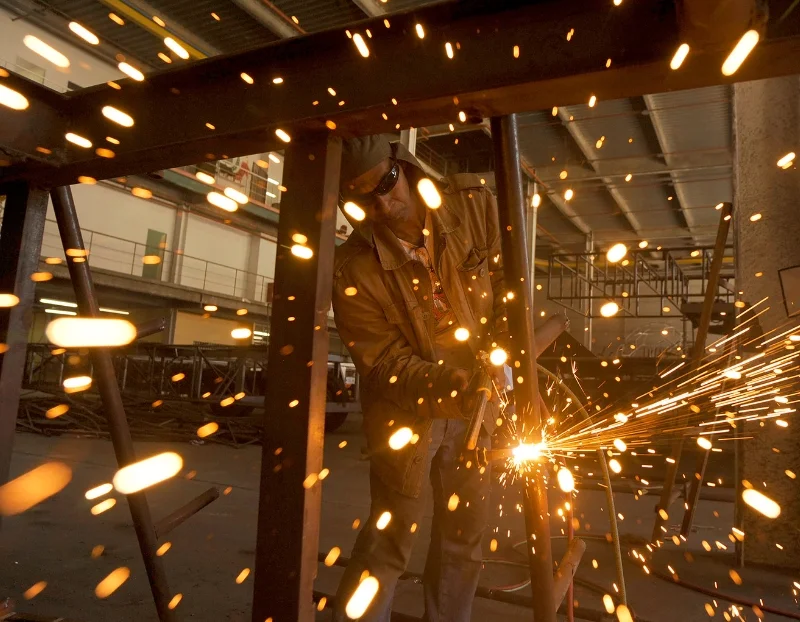
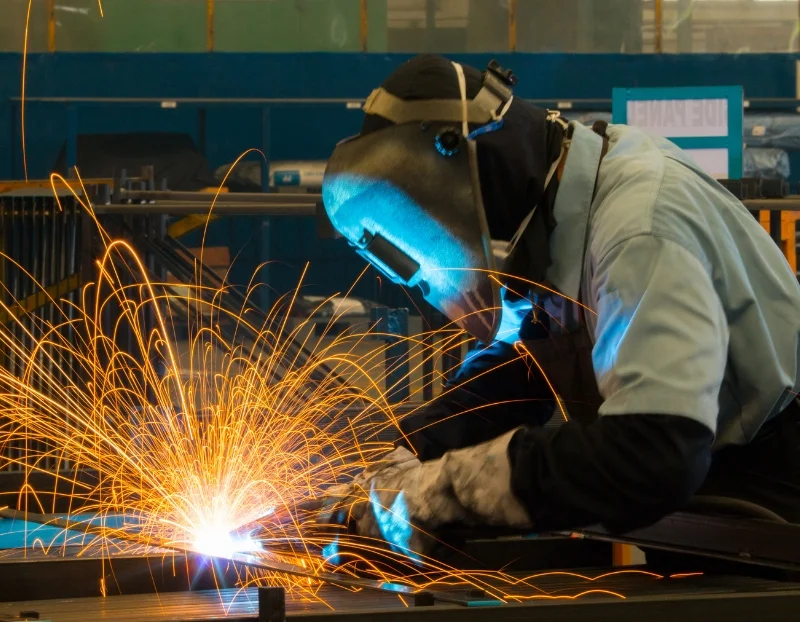

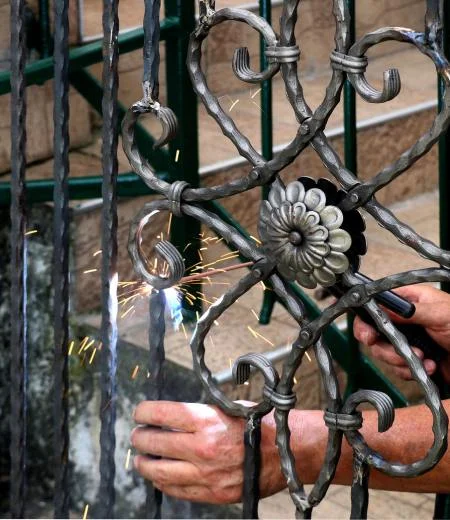
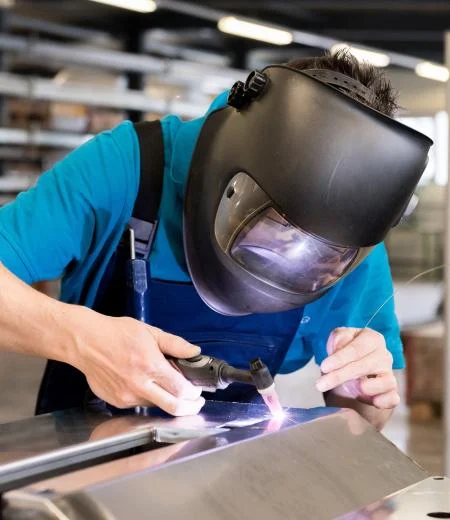
Fence welding explained
What metal fence welding involves
Fence welding is on-site repair and extension of fences built from steel: ornamental picket fence, pipe fence, continuous-panel ranch fence and the steel framework of chain-link. The work is simple in concept, cut out the failed metal and weld in sound metal, but the details decide whether the repair lasts. Matching the wall thickness, grinding to clean steel, welding with full fusion and protecting the joint from rust afterward all matter more than the weld bead looks.
Ornamental fences use 1/2 to 3/4 inch pickets in 1 to 1 1/2 inch channel or tube rails on 2 to 3 inch posts. Pipe fence uses 2 3/8 inch or larger pipe, often reclaimed oilfield tubing, with rails saddled into posts. Chain-link relies on top rail, line posts and terminal posts that bear the fabric tension. Each type is welded with stick or MIG depending on wind, thickness and access.
One caution: many fences sold as wrought iron are actually aluminum. Aluminum needs a different process, TIG or spool-gun MIG with 4043 or 5356 filler, and often a shop setting. A partner welder identifies the material before quoting, usually from a photo and a magnet test, so you are not promised a steel repair on an aluminum fence.
- Ornamental iron and steel picket fence
- Pipe and oilfield-pipe ranch fence
- Chain-link posts, top rails and gates
- Post replacement and sleeve repair
- Storm and vehicle-impact damage
Common failures
How metal fences break and why
Six patterns cover almost every fence repair request we receive.
Rust at the base of posts
Water sits where the post meets concrete or soil. The wall thins from the outside in and the post snaps in the first strong wind. Hollow posts rust from the inside too when the top is left open.
Panel-to-post welds cracked
Factory panels are tacked to posts with short welds. Thermal movement and ground heave crack them, and the panel starts to rattle or lean. A full weld around the bracket fixes it permanently.
Storm damage
Gulf Coast wind and North Texas hail bend rails, flatten sections and tear fabric off chain-link. Debris strikes break pickets. Most of it is repairable in sections without replacing the run.
Vehicle impact
A car backing into a fence bends posts below grade and racks several panels. The visible damage is often smaller than the hidden damage, so the welder checks plumb along the whole run.
Pipe rail saddle cracks
Ranch pipe rails crack where they saddle into posts, especially when the original weld was only on the top side. Livestock leaning on rails finishes the job. Re-welding all the way around holds.
Footing failure in clay
Expansive Texas clay lifts and drops shallow footings. Posts lean, gates no longer meet and panel welds tear. Deeper, properly sized footings stop the cycle.
Fence services
Fence repair and extension a partner welder can do on site
Repairs are priced per job; new runs and added panels are priced per linear foot.
Post replacement and sleeving
Cutting out a rusted post and setting a new one in concrete, or sleeving a post that is sound above grade with a larger tube welded over the damaged section when excavation is impractical.
Panel re-welding and replacement
Re-welding loose panel brackets, replacing bent or missing pickets, and fabricating full replacement panels that match existing picket spacing, rail profile and finial style.
Pipe fence repair
Re-welding cracked saddles, replacing bent rails and top caps, straightening leaning line posts and repairing continuous-panel sections on ranch, arena and oilfield-pipe fences.
Chain-link framework
Replacing broken terminal and line posts, re-welding top rail joints and brace bands, and fabricating gate frames so the fence contractor can re-stretch fabric.
Adding sections and gates
Extending a fence run, closing a gap, adding a walk gate or widening an opening, with new posts set and welded to tie into the existing line cleanly.
Finishing and rust protection
Grinding welds smooth, priming bare steel, applying cold galvanizing compound on galvanized fence and color-matched paint so the repair blends and does not rust first.
Why Alpha Welding
Why fence repairs come to Alpha
Fence welding is quick work done badly in a hurry or done once properly.
Right material, right process
Steel, galvanized and aluminum fences are identified before the visit so the welder arrives with the right process and filler.
Repairs that match
Picket spacing, rail height and finials are matched so a repaired section does not announce itself from the street.
Whole-run inspection
The welder checks plumb and base rust along the run, not just the broken spot, and tells you what else is close to failing.
Straight pricing
Per-repair pricing for fixes, per-foot pricing for new sections, and a clear note when a run is beyond economical repair.
How it works
Getting a fence repaired
Most fence repairs are a single visit.
Send photos of the damage
Include the full run, close-ups of the break and the base of the nearest posts. Note the fence height.
Material and scope check
We confirm steel or aluminum, count panels and posts affected, and send a price range with a time window.
On-site welding
The welder removes failed metal, sets or sleeves posts, welds panels or rails back and checks the run for plumb.
Finish and sign-off
Welds are ground and primed, paint or cold galvanizing applied, and you walk the fence with the welder.
Technical guide
Fence welding decisions that make a repair last
What a partner welder is weighing when they look at your fence, so the estimate makes sense and the work holds up.
Replace the post or sleeve it?
A post rusted at grade has two fixes. Replacement means breaking out the footing, setting a new post in fresh concrete and re-welding the panels, which is the permanent answer when the footing is small or the post is thin everywhere. Sleeving means cutting the post above the rust, sliding a larger tube over the stub and the new upper section, and welding both ends. It works when the post is solid below grade and excavation would disturb a driveway, patio or irrigation. The welder probes the post with a hammer and checks wall thickness at the cut before choosing.
Footings, drainage and the soil line
Most fence posts fail where water collects. A footing that finishes below grade forms a cup that holds water against the steel. The fix during repair is to bring the concrete above grade and slope it away, cap open post tops, and keep mulch and soil off the steel. In expansive clay, line posts on 24 inch footings move seasonally and crack panel welds; terminal and gate posts go deeper and wider. For chain-link, the terminal posts carry fabric tension and deserve the largest footing on the run.
Storm and vehicle damage
After wind, hail or a vehicle strike the welder sights down the run before touching anything. Bent posts below grade are straightened with a come-along against a stake or replaced if kinked. Racked panels are cut free, squared and re-welded. Flattened pipe rail is replaced rather than straightened because the pipe wall is already overstressed. For insurance claims, the welder can photograph the damage and itemize the repair so the estimate reads clearly to an adjuster.
Matching ornamental work
A replacement panel that does not match looks worse than the damage. The welder measures picket size and spacing, rail height and channel profile, post cap and finial style, then fabricates to those dimensions. Common spacing is just under 4 inches between pickets. Finials, rings and scrolls are available as weld-on castings in standard patterns; unusual ones are salvaged from the damaged panel and reused. Paint is matched to the sheen as well as the color, since flat and satin black read differently in sun.
Pool fences and local codes
Fence around a pool is a safety barrier, and local codes based on the International Swimming Pool and Spa Code set minimum height, usually 48 inches, limits on gaps and ground clearance, often a 4 inch sphere rule, and self-closing, self-latching gates with the latch placed out of a child’s reach. A repair should not reduce the fence below what the code requires. These are code items to confirm with your city or county, and a welder will flag a repair that would leave a gap larger than the original.
Finishing: paint or cold galvanizing
A fresh weld is bare steel and rusts within days outdoors. On painted fence the welder grinds the weld, applies a rust-inhibitive primer and a top coat matched to the existing finish. On hot-dip galvanized fence the zinc is ground back before welding, then restored with a zinc-rich cold galvanizing compound that meets the repair standard installers use, followed by paint if the fence is painted. Skipping this step is why many fence repairs show a rust streak within a year.
What drives the price
- Per repair: number of posts set and panels re-welded
- Per linear foot: new sections, pipe fence runs and added panels
- Material: steel vs galvanized vs aluminum (aluminum is quoted separately)
- Access: concrete removal, tight side yards, livestock to work around
- Finish: primer and paint vs cold galvanizing and color match
Related welding services
Not sure if your fence is steel or aluminum?
Hold a magnet to a picket. If it sticks, it is steel and a mobile repair is straightforward. If not, tell us so the right welder is sent.
Where we work
Fence welding coverage across Texas
Partner welders cover the metro areas below and the ranch country around them. Because each partner sets their own radius, we confirm coverage for your exact address before scheduling and quote travel for long rural runs.
Greater Houston
Dallas–Fort Worth
Central Texas
- Austin
- San Antonio
- Killeen
- New Braunfels
South & West Texas
FAQs
Fence welding questions
What property owners, ranchers and managers ask before booking.
Can you repair just one section of my fence?
Yes. Most repairs are sectional: one post, one panel, one cracked rail. The welder checks adjacent posts for base rust while on site and tells you if anything else is close to failing, but you only pay for what you approve.
Is my wrought iron fence actually weldable?
If it is steel, yes. Many modern ornamental fences are aluminum, which needs TIG or spool-gun MIG with 4043 or 5356 filler and sometimes a shop. A magnet test tells you quickly; we route aluminum to the right partner.
Do you replace posts or just patch them?
Both, depending on the post. A post that is solid below grade can be sleeved above the rust. A post thin throughout or on a small footing is replaced in new concrete. The welder decides at the cut, not from the curb.
How much does fence welding cost?
Single repairs are priced per job on the call-out plus materials. New sections, pipe fence and added panels are priced per linear foot. Send photos with the fence height and we give a range before anyone drives out.
Can you match my existing pickets and finials?
Yes. The welder measures spacing, picket size and rail profile and fabricates to match. Standard finials are weld-on castings; unusual ones are salvaged from the damaged panel where possible.
Do you repair chain-link fence?
The steel framework, yes: terminal and line posts, top rail and gate frames. Re-stretching fabric is a fence contractor task, and we can coordinate the timing so the posts are ready when they arrive.
Will the repair rust?
Not if it is finished properly. Every weld is ground, primed and painted, or treated with cold galvanizing compound on galvanized fence. Rust streaks on repaired fences almost always mean this step was skipped.
Can you fix storm damage before my insurance adjuster visits?
Yes, and the welder can photograph and itemize the damage first. Temporary stabilization keeps livestock in or a yard secure while the claim is reviewed, subject to partner availability after a storm.
Are there rules for pool fence repairs?
Local codes set barrier height, gap limits and gate latching for pool enclosures. A repair must not reduce the fence below those requirements. Confirm specifics with your city; the welder will flag any gap that looks out of spec.
Do you do ranch and pipe fence?
Yes. Cracked saddles, bent rails, leaning posts and continuous-panel repairs on 2 3/8 and 2 7/8 inch pipe are routine partner work. Long runs and new pipe fence are quoted per foot.
Request an estimate
Get the fence standing straight again
Send photos of the damaged section and the nearest posts, your fence height and city. We confirm a partner welder and send a price range.
- Free, no-obligation estimates
- Photos help us understand the job faster
- Same-day requests depend on partner availability