FARM EQUIPMENT WELDING
Farm and Agricultural Equipment Welding Repair
A cracked squeeze chute or a bent shredder deck does not wait for a convenient week. Alpha Mobile Welding TX coordinates partner welders who come to the pasture, the barn or the field edge with their own power. We repair cattle-working equipment, hay gear, tillage tools, trailers, loader buckets and irrigation hardware across Texas. Jobs are quoted from photos, and most repairs are finished in one visit. Planting, hay and harvest breakdowns get first call, subject to partner availability. Send photos or call 979-250-7486 and tell us where the equipment is sitting.
Pasture and field calls welcome. Please tell us the gate code and the nearest county road.
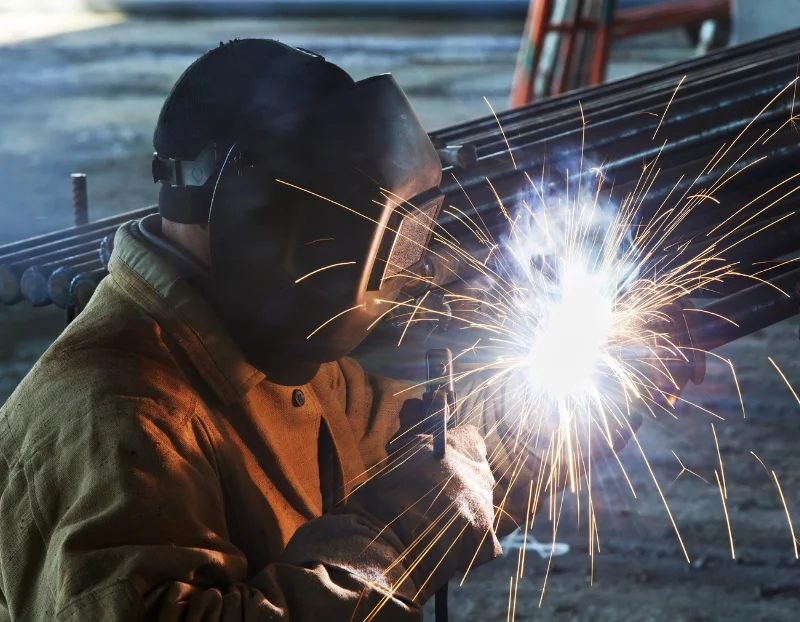
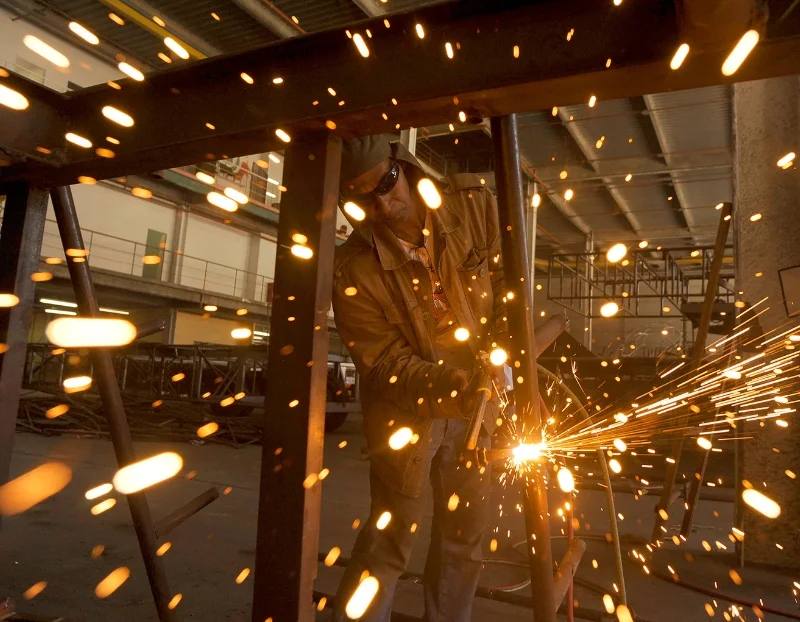
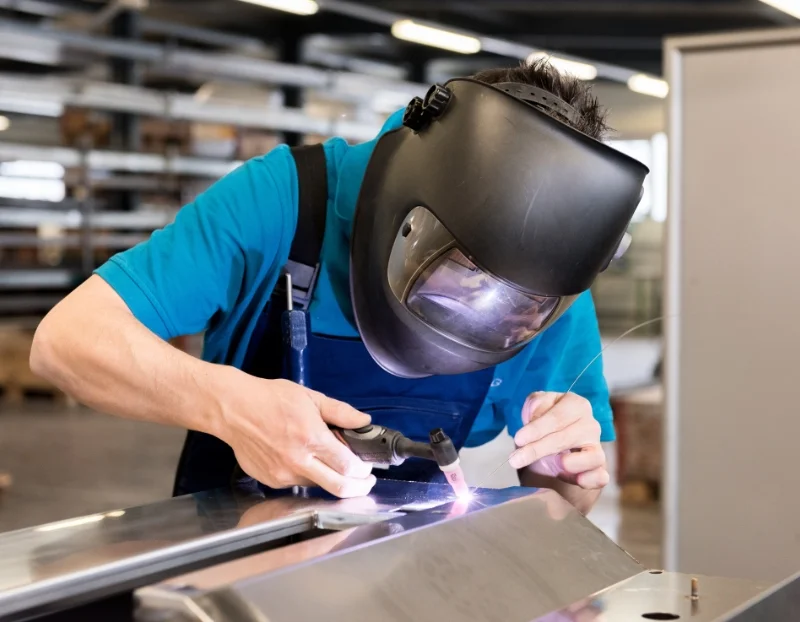
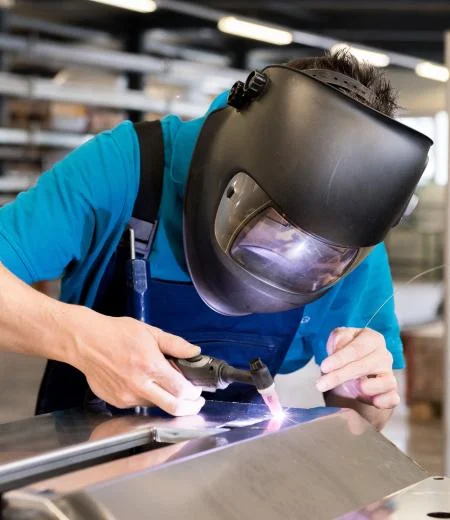
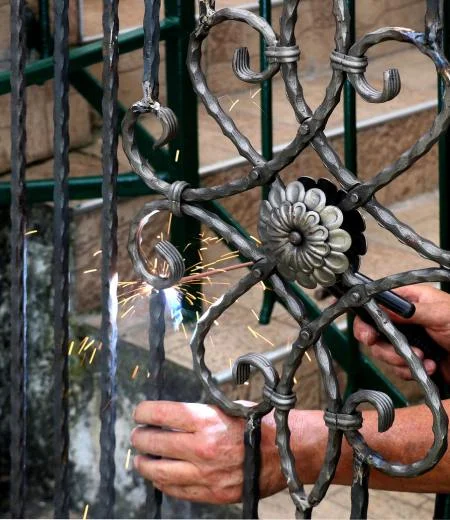
Farm welding
What farm equipment welding repair covers
Agricultural machinery repair is the broadest kind of welding there is. In one week a partner welder might rebuild a cattle guard, re-pin a brush hog hitch, hardface a set of shanks and weld a broken ear back onto a loader bucket. The common thread is steel that has been overloaded, rusted, flexed or hit, usually on equipment too big or too stuck to haul to a shop.
Most of the work is mild and high-strength carbon steel. Pipe fence, continuous panels, feeders, troughs and chute frames are plain structural steel. Tillage frames, bale spears and shredder blade carriers are often heat-treated alloys that need preheat and low-hydrogen rods so the repair does not crack in the heat-affected zone. Gearbox housings and older implement parts are cast iron, which calls for nickel rod and slow cooling.
The welder brings an engine-driven welder on a 4×4 service truck, so nothing depends on barn power. Stick welding with 7018 is the standard choice outdoors because it tolerates wind, light rust and an imperfect fit. Flux-core wire handles long fence and panel runs.
- Mild, high-strength and cast iron repairs
- Hardfacing for wear parts
- Self-powered 4x4 service trucks
- Photo quotes before the trip
- Seasonal priority when it matters
Common failures
Breakdowns we see on Texas farms and ranches
Livestock, heavy loads and rough ground find every weak weld eventually.
Chute and alley damage
Squeeze chutes, head gates and alley panels take a beating from 1,200-pound animals. Bent uprights, broken latch tabs, cracked hinge barrels and torn-out pins are repaired so the chute closes square and latches again.
Pipe fence and panel breaks
Continuous panels and pipe fence crack at post welds, rust through at ground level and get pushed over by cattle or hay equipment. We cut out the bad section, sleeve or replace it and weld it back plumb.
Shredder and brush hog failures
Decks crack around the gearbox mount, blade carriers wobble on worn bolts, and A-frame hitches tear at the pins. These are fatigue failures that need a proper cut, bevel and multipass repair, not a surface bead.
Hay equipment wear
Bale spear brackets bend, hay ring legs break at the ground and bale trailer crossmembers rust. Repairs use matching material so the next season does not finish what the last one started.
Tillage and planter cracks
Disc gang frames, chisel shanks, planter toolbars and row unit brackets crack where stress concentrates. Many are high-strength steel and are welded with preheat and 7018 or matched wire.
Loader and three-point damage
Bucket cutting edges wear, side plates split, lift arms crack at the ball ends and top link brackets tear from the tractor casting. Hardfacing and plate repair keep the loader working.
What we repair
Agricultural machinery repair services
If it is steel, cast or aluminum and it lives on the ranch, a partner welder can usually fix it in place.
Cattle pens, chutes and working facilities
Panels, gates, alleys, crowding tubs and squeeze chute frames are repaired on site. We also fabricate new sections to match existing pipe sizes and add latches, hinges and ground sleeves.
Feeders, troughs and cattle guards
Cracked bunk feeders, leaking steel water troughs and cattle guards with broken rails or collapsed frames are welded, sleeved or rebuilt with new material where the old steel is too thin.
Hay rings, bale spears and trailers
Hay ring legs, bale spear tines and brackets, and bale trailer frames, bunks and running gear are repaired with correct filler and preheat so they hold under load.
Shredders, mowers and hitches
Deck cracks, blade carrier hubs, stump jumpers, A-frame and drawbar hitches, skid shoes and tailwheel yokes are rebuilt to run true and bolt back to the tractor.
Tillage, planters and grain handling
Toolbar frames, shanks, disc gang hangers, planter brackets, grain trailer sides and auger flighting and tubes are repaired and reinforced for the next pass.
Buckets, loaders and skid steers
Cutting edges, bucket side plates, quick-attach plates, loader arms and skid steer attachments get plate repair and hardfacing. Irrigation and center-pivot brackets are handled the same way.
Why Alpha Welding
Why ranchers and growers call Alpha
Field welding needs the right truck, the right rod and someone who has seen the failure before.
Field-ready equipment
Partner trucks carry engine-driven welders, oxy-fuel or plasma cutting, grinders and steel stock so the job does not stall on a missing part.
Right process for the metal
Stick, flux-core, MIG or TIG is chosen for the alloy and the conditions, with preheat and low-hydrogen rods where high-strength steel demands it.
Honest repair-or-replace advice
When a part is cheaper or safer to replace than weld, you hear that first. Welding time is not sold where a new bracket makes more sense.
Seasonal scheduling
Planting, hay cutting and harvest windows are short. Breakdowns during those weeks move to the front of the line, subject to partner availability.
How it works
From broken implement to back in the field
Four steps, usually finished in one trip.
Send photos and a location
Text or email photos of the break, the implement model if known, and the county road or gate so the quote reflects the real drive.
Get a quote and a window
You receive a price range, any material needed and an arrival window. Seasonal emergencies are flagged for the earliest partner opening.
Prep and weld on site
The welder cleans manure, oil and rust, removes or shields anything flammable, sets preheat where needed and welds the repair in place.
Check, grind and go
The repair is inspected, ground where it matters, primed on request and the implement is cycled so you know it is ready before the truck leaves.
Technical guide
What good farm equipment welding looks like
Ag steel is unforgiving because it is dirty, cyclically loaded and often harder than it looks. Here is how an experienced field welder approaches it.
Cleaning before the arc strikes
Manure, hydraulic oil, grease and caked dirt all turn into porosity and hydrogen in a weld. A good repair starts with a scraper, a wire wheel and sometimes a torch to burn off oil before grinding to bright metal at least an inch past the crack. Paint and galvanizing are ground back too. On troughs and feeders, rust scale is removed until the welder can see how much sound steel is left. If the wall is paper thin, a patch plate or sleeved section is welded in instead of bridging rot with filler.
Finding the end of the crack
Cracks in shredder decks, toolbars and loader arms travel further than the visible line. The welder grinds the paint away, follows the crack to its tip and drills a small stop hole just past it. The crack is then ground or gouged to a V so the weld reaches full depth. Welding over an unopened crack leaves a notch underneath that starts the next failure within weeks. Thick sections are welded in several passes with slag cleaned between each, and a gusset is added where the design was marginal.
High-strength steel, cast iron and hardfacing
Bale spear tines, chisel shanks, planter brackets and many hitch components are heat-treated or high-strength low-alloy steels. Welded cold with the wrong rod, they crack along the heat-affected zone. The partner welder preheats with a torch, uses 7018 low-hydrogen rod or matched wire, and lets the part cool slowly. Cast iron gearbox housings get nickel rod, short beads, peening and slow cooling, and some castings are better replaced. Wear parts such as cutting edges, skid shoes and sweeps are hardfaced after any cracks are repaired, which can double their working life.
Safety-critical parts we do not modify
Rollover protective structures on tractors and skid steers are certified assemblies. A ROPS that has been welded, drilled, bent or cut is no longer certified and should be replaced through the manufacturer. PTO shields, driveline guards and shredder deflector chains are repaired or replaced, never left off because they are inconvenient. Fuel tanks and hydraulic reservoirs are hot-work hazards, and replacement is often the safer answer.
Working in the pasture
Partner trucks are 4×4 with engine-driven welders, so power is not a concern, but access is. Mention soft ground, creek crossings, low lines and gates that need closing behind the truck. Dry grass is a fire risk in a Texas summer: the welder clears a spark zone, keeps water or an extinguisher within reach and welds with the wind in mind. If the implement can be dragged to a caliche pad or barn apron, the job goes faster.
Before you call, have this ready
- Photos of the crack or break from two angles
- Make and model of the implement or tractor
- Whether the part is cast, plate or tube
- Access notes: gates, ground, distance from the road
- Your deadline, especially in planting or hay season
Related welding services
Is it cheaper to weld or replace?
For brackets, pins and small cast parts, a new OEM piece is often the better buy. For frames, decks and fence, a proper weld costs far less than replacement.
Service area
Farm welding coverage across Texas
Alpha coordinates partner welders in the Houston, Dallas–Fort Worth, Austin and San Antonio regions and in the Panhandle, West Texas, the Coastal Bend and the Valley. Rural addresses are confirmed by county road and travel time before quoting. See all areas at Texas coverage.
Dallas–Fort Worth and North Texas
Central Texas and Hill Country
FAQs
Farm equipment welding questions
Straight answers to what ranchers and growers ask before booking.
Can you weld in the pasture with no power?
Yes. Partner welders run engine-driven welders on 4×4 service trucks, so barn power is not needed. Tell us about soft ground, creek crossings and gates ahead of time so the right truck is sent.
How fast can you get to a breakdown during hay season?
Seasonal breakdowns are flagged for the earliest partner opening, often the same or next day, subject to availability in your area. Photos and a clear location let the quote and parts list be settled before the truck leaves.
Do you repair cast iron gearbox housings?
Many cast iron parts can be repaired with nickel rod, preheat, short beads and slow cooling. Thin, oil-soaked or badly cracked castings are a poor bet, and the welder will recommend a replacement housing when that is more reliable.
Will you weld a cracked ROPS or tractor cab?
No. Rollover protective structures are certified assemblies, and welding, drilling or straightening them voids that certification. The safe path is a manufacturer replacement. We will gladly handle the rest of the tractor and implements.
What rod do you use on farm equipment?
7018 low-hydrogen stick rod is the standard for frames, hitches and high-strength parts, with preheat where the steel calls for it. Flux-core and MIG wire are used on fence, panels and lighter fabrication. Hardfacing wire goes on wear surfaces.
Can you build new pens or extend my working facilities?
Yes. Partner welders fabricate pipe fence, continuous panel runs, gates, alleys and chute extensions on site to match your existing pipe sizes. Fence and gate work is covered on the linked service pages.
Should the repair be painted afterward?
Bare welds rust quickly in Texas humidity, especially around troughs and feeders. Ask for the weld to be ground and primed before the truck leaves, or apply a rust-inhibiting primer yourself once it has cooled.
Do you hardface buckets and sweeps?
Yes. Cutting edges, skid shoes, sweeps and auger flighting can be hardfaced on site. It is a wear treatment, not a crack repair, so any cracks are opened and welded first and the hardfacing is laid on afterward.
What about fuel tanks and hydraulic cylinders?
Fuel tanks are a hot-work hazard and are usually replaced rather than welded. Hydraulic cylinder barrels and rods are precision parts that go to a cylinder shop. Mounting brackets, clevises and lugs around them can be repaired in the field.
How do I get a price?
Send two or three photos, the implement make and model, and the nearest county road or town to 979-250-7486. You get a price range, material notes and an arrival window. Final pricing is confirmed on site before welding begins.
Request an estimate
Get your equipment back in the field
Send photos of the break and where it sits. A partner welder in your area will quote the repair and bring the rod, steel and power to finish it on site.
- Free, no-obligation estimates
- Photos help us understand the job faster
- Same-day requests depend on partner availability