Mobile Welding ServicesOn-site welding & metal repair across Texas — we come to you
Dallas pontoon repair
Pontoon Boat Repair in Dallas, TX: Mobile Pontoon Welding for Lake Ray Hubbard, Lavon and Cedar Creek
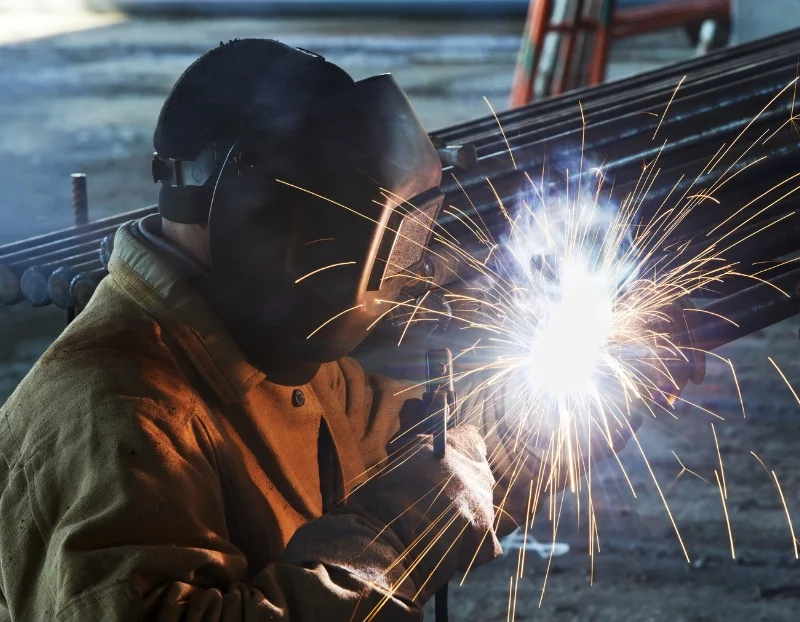
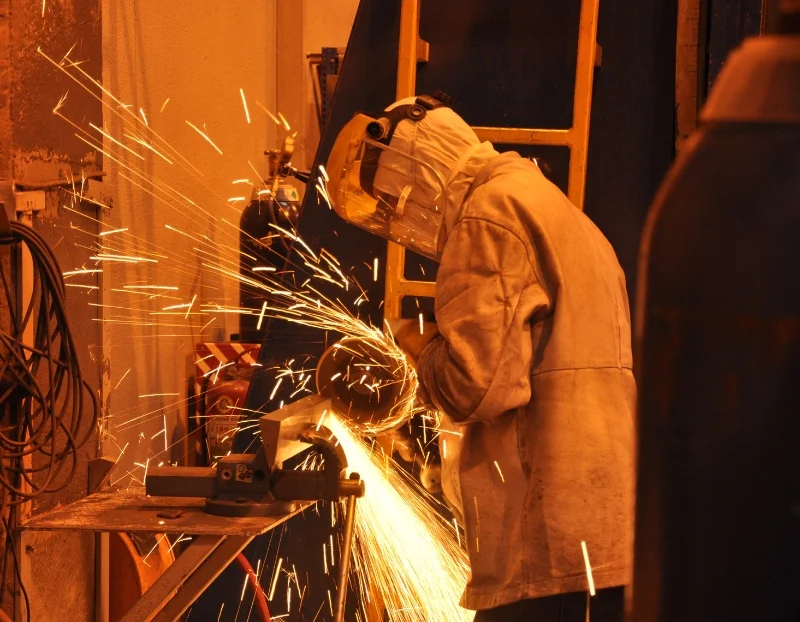
Dallas pontoon owners have plenty of lakes to choose from and plenty of highway between them. That means bracket cracks from trailer miles, nose cones split on stumps in a shallow arm, and tubes that slowly fill with water while the boat sits in storage. Alpha Mobile Welding TX sends partner welders to Dallas-area driveways, storage lots, lake homes and marinas to repair aluminum pontoons on site, so you don’t lose a week hauling the boat to a shop. Send photos to get started.
Photos help us quote faster. Scheduling depends on partner availability across Dallas County and nearby.
Dallas-area repairs
What Pontoon Repair Looks Like Around Dallas
Most Dallas pontoons run the lakes east and north of the city. Lake Ray Hubbard sits right on the edge of town at Rowlett, Rockwall and Garland. Lake Lavon is up past Wylie. Cedar Creek Lake, with its lake houses around Gun Barrel City and Mabank, is an hour southeast down US 175. Lake Tawakoni is out I-20 and SH 276 to the east. Owners on the north side head to Lewisville Lake, and the southwest side uses Joe Pool.
Those lakes share some traits: wind-driven chop on open water, timber and stumps in the upper arms, and levels that drop in dry summers. Add highway towing and boats that sit in storage between trips, and you get the same handful of repairs. Partner welders find every leak with a low-pressure air test, drain and clean the 5052-H32 tube, and weld with 5356 filler using TIG or a spool gun, then reinforce brackets where needed.
The main pontoon boat repair page lists every service. For other metal work in the city, see Dallas mobile welding.
- Lake Ray Hubbard and Lake Lavon
- Cedar Creek Lake and Lake Tawakoni
- Tube leaks and nose cone cracks
- Bracket and cross member welding
- Storage lot and driveway repairs
Common damage
Pontoon Problems We See Around Dallas
Wind, timber, trailer miles and summer heat cause most of the damage on DFW pontoons.
Stump and timber strikes
Upper arms of Ray Hubbard, Tawakoni and Cedar Creek still hold stumps and timber in places. A hit cracks cones and opens keel seams.
Wind chop pounding
North Texas wind builds steep waves on open water. Pounding through them works the brackets until the welds crack.
Trailer-induced bracket cracks
Highway miles on I-30, I-635 and US 175 twist the deck frame. Bracket welds crack and sometimes run into the tube.
Leaks found after storage
The boat sits crooked at the ramp on the first trip of the season because a pinhole or seam crack let water in.
Low-water damage
In dry summers, points and flats come up. Boats that were safe last year find rock and stumps this year.
Motor pod cracks
Tritoons with larger outboards for watersports develop cracks around the transom bracket and its welds.
What we repair
Mobile Pontoon Welding Services in Dallas
A full inspection first, then repairs to everything the test finds.
Tube leak repair
Low-pressure air and soap testing, draining, grinding to sound metal and 5356 welds, then a second test.
Nose cone repair
Rewelding cracked seams, patching punctures and replacing cone sections after stump hits.
Bracket and cross member repair
Rewelding cracked brackets, adding gussets and replacing bent cross members under the deck.
Keel and strake repair
New keel guards and lifting strakes where ramps, flats and rocks have worn them down.
Motor pod reinforcement
Crack repair and doublers around outboard mounts, with a check of the pod-to-tube welds.
Trailer welding
Crossmembers, bunk brackets and tongue cracks on the trailer that tows the boat.
Why Alpha Welding
Why Dallas Pontoon Owners Call Alpha Welding
Hauling a pontoon across the Metroplex to a shop takes days you’d rather spend on the lake.
We come to you
Storage lot, driveway, lake house or marina, with permission. No drop-off trips across DFW.
Aluminum focus
Partners bring AC TIG and spool-gun setups made for thin marine aluminum.
Boat and trailer together
Trailer crossmembers and pontoon brackets can often be fixed in the same visit.
Straight answers
If a log needs replacing, you’ll know before spending on patches.
How it works
How a Dallas Pontoon Repair Works
Four simple steps.
Send photos
Call or text 979-250-7486 with photos and where the boat is parked.
Estimate
We check partner availability in your area and explain price and prep.
On-site repair
The partner tests, drains, cleans and welds the tubes, brackets or trailer.
Retest
Low-pressure air and soap confirm the repair before you head to the lake.
Local guide
Dallas Pontoon Owner's Repair Guide
Notes for pontoon owners around Dallas, Rockwall, Rowlett, Garland and the lakes east of the city, from what partner welders see most.
Lake Ray Hubbard
Ray Hubbard is the closest big lake for most Dallas owners, with I-30 crossing it between Rockwall and Garland. The main body is open and gets rough when the wind kicks up, and the upper arms toward the East Fork still have timber in places. Lots of boats here live on lifts at lake homes in Rowlett, Rockwall and Heath, and the constant wake traffic on weekends loads the brackets every day. We see bracket cracks, cone damage from the upper arms and slow leaks found only after the boat starts listing on the lift.
Cedar Creek Lake
Cedar Creek Lake, southeast of Dallas, is a lake-house lake. Gun Barrel City, Mabank, Seven Points and Tool are full of waterfront homes with boathouses and lifts. Boats stay in the water or on lifts all season, so leaks and corrosion around fasteners build up quietly. The lake has shallow areas and stumps away from the main channel. Most repairs here happen right in the boathouse with the boat raised.
Lake Tawakoni and Lake Lavon
Lake Tawakoni is big, shallow and known for wind, and its coves hold stumps and timber. Pontoons running there pound through chop and occasionally catch a stump, so bracket and cone repairs are common. Lake Lavon, north of Wylie, is a Corps of Engineers lake with level swings and rocky, shallow areas that show up in dry years. Both lakes are a tow from most of Dallas, which adds trailer stress to the list.
Trailer miles and bracket cracks
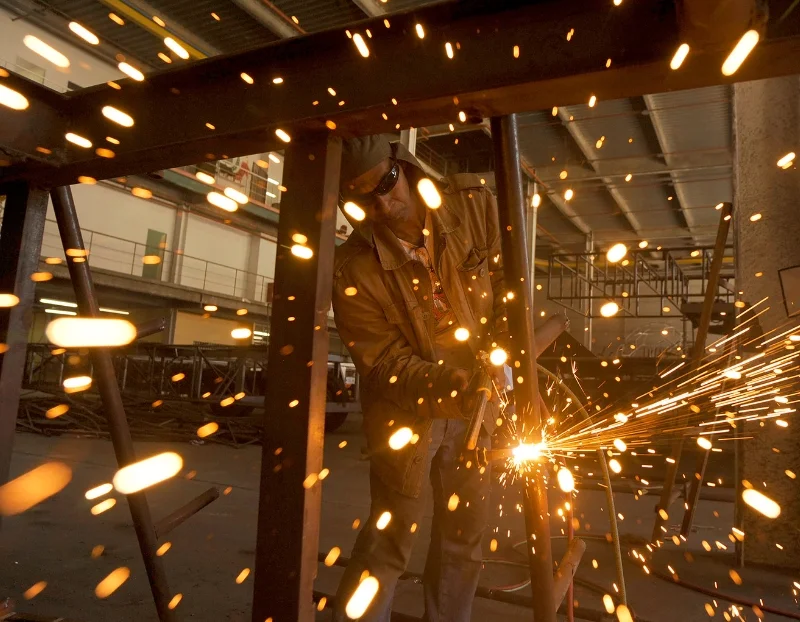
DFW owners tow a lot, often on rough frontage roads and highway joints. Each bump twists the deck frame, and the stress collects at the brackets where cross members meet the tubes. Cracks start at the toe of the bracket weld. Partners grind it out, stop-drill the end if it has reached the tube skin, reweld and add a gusset if the design is too light. Setting trailer bunks so they support the tubes evenly along their length helps keep it from happening again.
Summer heat and storage
North Texas summers regularly hit 100 degrees, and boats in uncovered storage get very hot. Heat itself doesn’t hurt aluminum, but it bakes vinyl and carpet and can make a slow leak hard to spot, since water inside the tube evaporates and condenses. Pull the drain plugs a couple of times a season. If water comes out, there’s a leak to find.
How the leak is found
The chamber is sealed and given a very small amount of air pressure, usually a couple of psi. Soapy water goes along every seam, bracket and cone, and each bubble is marked. Too much pressure can split a tube, so a regulator keeps it low. Older boats often have more than one leak, and fixing all of them in one visit saves a second trip.
What makes the weld hold
Aluminum’s oxide layer has to come off right before welding, and the metal must be dry. Trapped water, oil and sunscreen cause porosity. Partners use argon shielding and 5356 filler, which suits 5052 tubes, and get full fusion on both sides of the crack. Bracket toes and other high-stress areas get a doubler or gusset so the weld doesn’t carry the load alone.
Hail, storms and dock damage
North Texas spring storms bring hail and high wind. Hail can dent tube tops and wreck Bimini tops, and wind pushes boats into docks and lift frames. Shallow hail dents on the tubes are usually cosmetic. Cracks, torn brackets and split cone seams are not. After a storm, look along the top of each tube and at every bracket, and photograph damage before any repair if you plan to file an insurance claim.
Repair or replace a log?
Cracks, pinholes, seam leaks and bracket damage are repairs. Replacement makes sense when a tube is crushed for several feet or thin across large areas. On a newer boat, check warranty terms with the dealer before any outside welding.
Before the welder arrives
- Put the boat on its trailer, lift or stands
- Pull the tube drain plugs
- Get storage lot or marina approval for hot work
- Tell us about foam-filled tubes or a center-log fuel tank
- Let us know if power is available
Related welding services
Boat listing on the lift?
That’s usually water in a tube. Send photos of the low side and we’ll tell you what it likely needs.
Service area
Pontoon Repair Near Me in Dallas
Partner welders cover Dallas, the eastern lakes and the surrounding suburbs. Availability is confirmed for each address, and marina or storage lot jobs need the owner’s okay for hot work.
North Dallas and Lavon
West and south
FAQs
Dallas Pontoon Repair Questions
What Dallas-area pontoon owners ask us most.
Is there a mobile pontoon welder near me in Dallas?
Alpha Mobile Welding TX coordinates partner welders across Dallas, Rockwall, Rowlett, Garland, Wylie and the Cedar Creek Lake area. Call or text 979-250-7486 with photos and the boat’s location, and we’ll confirm availability and give you an estimate.
Can you repair my pontoon at a storage facility?
Often, yes. The boat needs to be on its trailer with the damage reachable, and the facility may need to approve welding on site. Send a photo of the space so we can plan the visit.
Can you fix my pontoon in the boathouse on Cedar Creek Lake?
Usually. The boat needs to be raised on the lift with the tubes clear of the water and dry, and the welder needs room underneath. If the lift can’t expose the damage, the boat goes on a trailer or stands.
Why does my pontoon sit crooked on the trailer?
Most likely one tube has water in it from a crack, seam leak or pinhole. Pull the drain plug on the low side. If water comes out, there’s a leak to find. Uneven bunks can also make it look crooked.
How much does pontoon tube welding cost in Dallas?
It depends on the number of leaks, access, whether water or foam has to come out and travel to your location. One pinhole costs far less than a crushed cone or several brackets. Photos let us give you a realistic estimate.
How long does a repair take?
A single crack or pinhole is often done in a few hours on site, including testing and retesting. Nose cones or several brackets take longer. Timing depends on partner availability, and same-day visits are never guaranteed.
Is a hail dent in my pontoon tube a problem?
Usually not, if the dent is shallow and there is no crack. Aluminum tubes can carry small dents for years. Check the dent and nearby seams for cracks, then pull the drain plug after the boat sits for a day. If water comes out, send us photos so we can find the leak.
Request an estimate
Get Your Dallas Pontoon Fixed
Send photos and tell us where the boat is parked. We’ll reply with an estimate and partner availability in your part of Dallas.
- Free, no-obligation estimates
- Photos help us understand the job faster
- Same-day requests depend on partner availability