MOBILE WELDING · MIDLAND, TX
Mobile Welding in Midland, TX
In the Permian Basin, equipment breaks where it is working, not where it is convenient. A cracked pipe rack on a lease off SH-349, a bent tank-trailer landing gear in a yard east of Loop 250, a pump-jack walking beam that needs a gusset before the next shift. Alpha Mobile Welding TX coordinates on-site welding in Midland through partner welders who bring a truck-mounted machine, gas and rod to the job. Oilfield service yards, ranches, shops and homes across Midland County can get an estimate from one call.
Same-day and after-hours visits are subject to partner availability. Lease-site work follows the operator’s hot-work rules.
Mobile welding explained
What mobile welding looks like in Midland
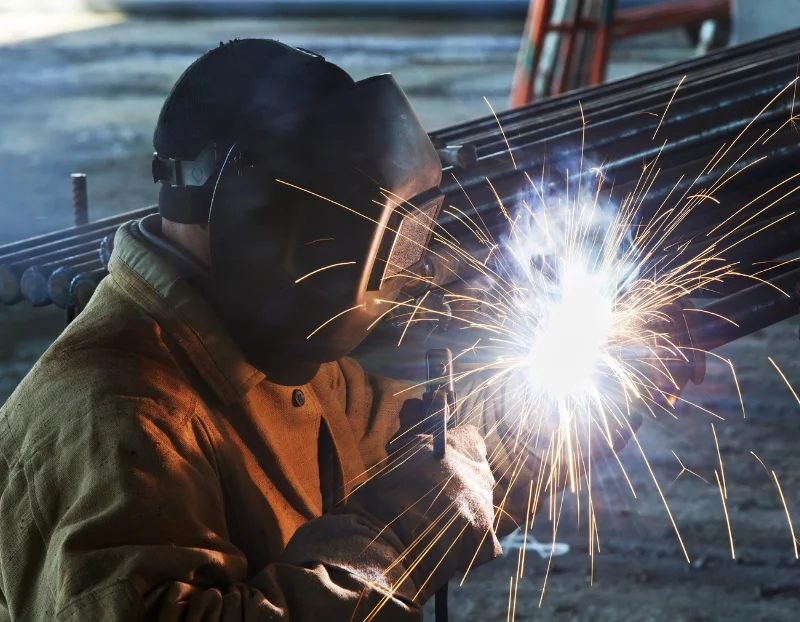
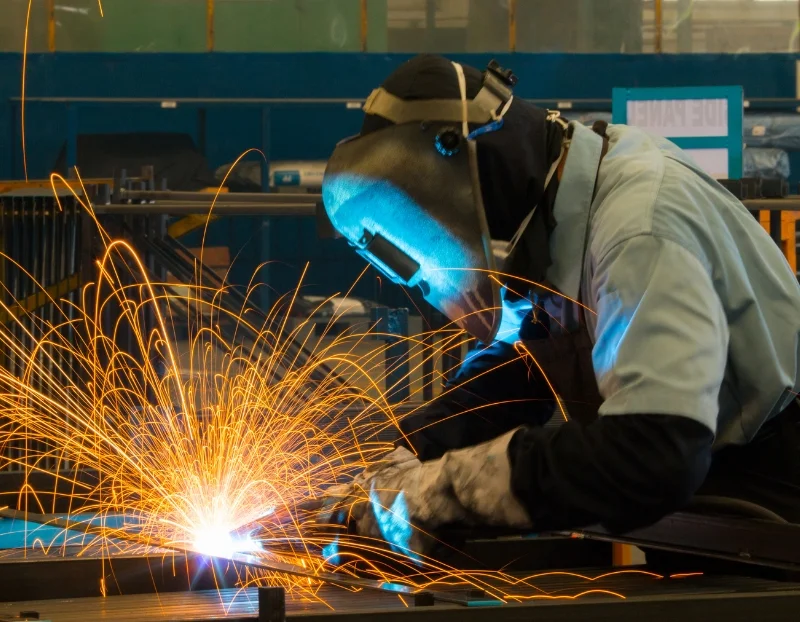
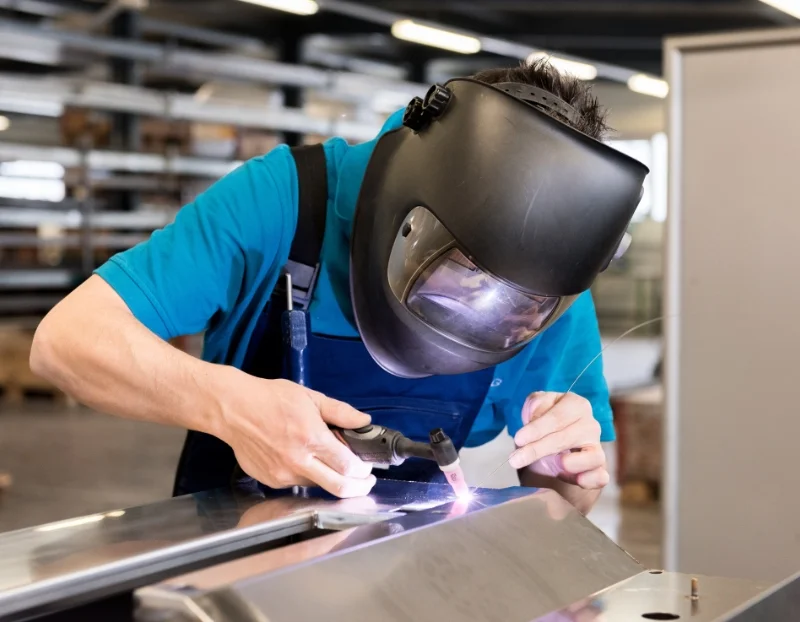
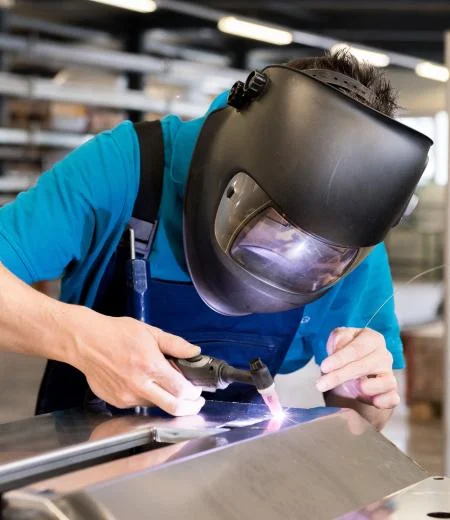
A mobile welder is a welding shop that drives. The partner arrives in a service truck with an engine-driven welder/generator, usually 250 to 400 amps, plus a torch set, a grinder, clamps and a selection of electrodes and wire. For most oilfield and ranch work in Midland that means stick welding (SMAW) with 6010 for root passes on dirty or rusted steel and 7018 for strength and fill. Cleaner structural work in a yard or shop can be run with MIG (GMAW) or flux-core (FCAW), and TIG (GTAW) covers aluminum and stainless.
Midland work is spread out. A single day might start at a service yard near I-20 and Business 20, move to a ranch gate on flat caliche country north of town, and finish at a shop off SH-191 near the airport. Because the partner comes to the equipment, nobody has to load a frac trailer onto a lowboy or haul a 40-foot pipe rack across town to fix a cracked saddle.
Alpha does not operate a shop in Midland. We coordinate the job, match it to a partner welder with the right process and capacity, and relay the estimate. The partner handles the welding and follows the site rules of whoever owns the ground, whether that is a lease operator with a hot-work permit process or a homeowner in Grassland Estates who wants a gate fixed before the dust picks up.
- Engine-driven welders that run without site power
- Stick, MIG, flux-core and TIG on the same truck
- Oilfield yards, lease roads, ranches, shops and homes
- Estimates by phone or photo before the truck rolls
- Partners follow operator hot-work and PPE rules
Common repairs
The jobs Midland partners see most
Oilfield pace is hard on steel, and the boom-and-bust cycle means equipment often sits, then runs flat out.
Frac and tank trailers
Cracked crossmembers, broken landing-gear brackets, torn fender mounts and worn kingpin plates. Partners grind cracks to sound metal, bevel, preheat thick sections and fill with 7018 or dual-shield wire.
Pipe racks and saddles
Racks at service yards take forklift hits and overloads. Cracked uprights get gusseted, bent saddles get cut out and replaced, and loose base plates get rewelded and re-anchored.
Pump-jack and wellhead hardware
Horsehead hangers, polished-rod clamps, walking-beam stiffeners and skid repairs. Work is done to the operator’s procedures, with hot-work permits and gas monitoring where the site requires it.
Drilling and service rig components
Catwalk rails, pipe-tub cradles, mud-tank stairs and handrails, doghouse steps and skid runners. Structural members on a rig get fixed to the contractor’s inspection standards.
Oilfield pipe fencing
Used 2 3/8 and 2 7/8 tubing fence with rusted joints, broken top rails and leaning corner posts. Partners clean to bare steel, re-weld joints and brace corners against the wind.
Heavy equipment and loaders
Bucket lips, cracked loader arms, dozer blade edges and excavator stick welds. Hardfacing wear areas with the right rod extends life in abrasive caliche and sand.
Services
Mobile welding services in Midland
Partner welders cover the range of work that comes with a Permian Basin economy.
Trailer and truck repair
Gooseneck, lowboy, tank and frac trailer frames, bed rails, hitches and ramps. Commercial vehicle frame work follows DOT and manufacturer repair guidance.
Oilfield yard fabrication
Pipe racks, stands, skids, catwalk steps and guard rails built on site from new steel, or repaired where they sit in the yard.
Pipe fence and gates
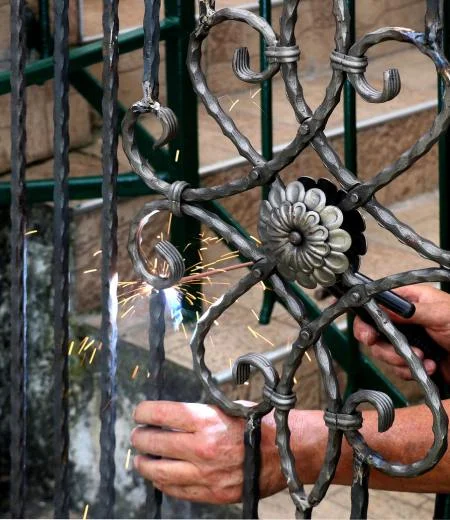
Entry gates, cattle guards, pipe fence runs and corner braces on ranches and acreage homes north and west of town.
Heavy equipment welding
Loader, dozer, backhoe and forklift repairs plus hardfacing. See welding on heavy equipment for what partners handle in the field.
Structural steel
Beams, columns, lintels and awning frames on commercial buildings. Engineered work is welded to the drawings and left ready for inspection.
Aluminum and stainless
Toolboxes, trailer ramps, headache racks and stainless hardware with TIG or spool-gun MIG using 4043 or 5356 filler.
Why Alpha Welding
Why Midland businesses call Alpha
One number, a straight estimate, and a partner welder who understands oilfield pace.
Matched to the job
A tank-trailer crack and a stainless rail are different jobs. Alpha routes each one to a partner with the right process and rig.
Honest estimates
Send photos and a location. You get a price range and a realistic timeframe, not a guess that changes once the truck arrives.
Site rules respected
Partners work within operator hot-work permits, PPE requirements and H2S awareness rules on lease sites.
Built for the basin
Partners run engine-driven welders, so power is never the holdup on a lease road or a ranch pasture.
How it works
Booking a mobile welder in Midland
Four steps from first call to finished weld.
Describe the repair
Call 979-250-7486 or use the estimate form. Photos of the crack or break and the material thickness speed things up.
Get an estimate
Alpha checks partner availability and sends a price range. Lease-site jobs include time for permits and gate access.
Partner arrives
The welder shows up with the machine, consumables and any steel discussed. You confirm the scope before any arc is struck.
Inspect and pay
Walk the finished weld, confirm fit and function, and settle up. Engineered work is left ready for the inspector.
Local guide
Welding in the Permian Basin: what changes the job
Midland is flat, dry, dusty and busy. Each of those facts changes how a partner welder sets up and what the finished repair needs to survive.
Dust, wind and outdoor MIG
Shielding gas on a MIG or TIG torch is easily blown away by the wind that crosses the basin most afternoons, and blowing caliche dust contaminates a weld puddle fast. For outdoor work on lease sites and yards, partners lean on stick with 6010 and 7018 or self-shielded flux-core, both of which tolerate wind and dirty steel. If a job really needs MIG or TIG, the partner sets up a windbreak and cleans the joint back to bright metal. On rusted oilfield pipe, that grinding is the difference between a sound weld and one full of porosity.
Hot-work permits and lease-site rules
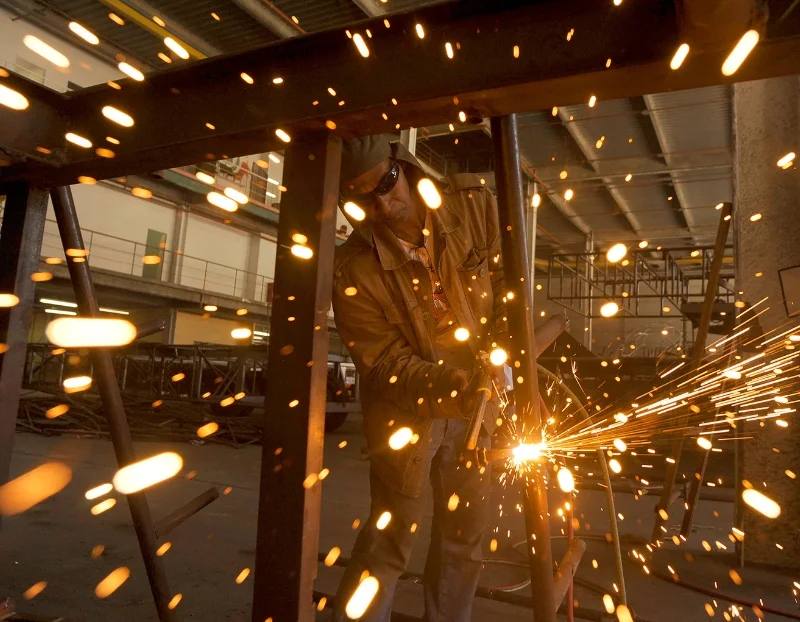
Welding on an active lease is a controlled activity. Most operators require a hot-work permit, a fire watch, gas monitoring and often an H2S awareness card before anyone lights a torch. Alpha’s partners follow whatever rules the operator sets. When you book a lease-site repair, tell us who the operator is and what their permit process looks like, so the partner arrives with the right paperwork and PPE and the wait is built into the schedule. Yard work on your own property is simpler, but the same fire-watch common sense applies when dry grass is nearby.
Heat, preheat and thick sections
Summer afternoons in Midland pass 100°F, which is miserable for the welder but not a problem for the steel. The real issue with trailer frames, loader arms and pipe-rack bases is thickness. Half-inch and thicker sections pull heat out of the weld quickly, and that fast cooling can crack the heat-affected zone, especially on high-strength trailer steel. Partners preheat thick joints with a torch, keep the interpass temperature up and let the work cool slowly under a blanket. Cast pump-jack parts need nickel rod and careful preheat to avoid cracking.
Trailer frames and DOT expectations
Frac trailers, tank trailers and lowboys are commercial vehicles. A cracked crossmember or landing-gear bracket is a structural repair, and it should be done the way the trailer manufacturer and FMCSA expect: crack ends drilled, joint beveled, full-penetration weld, and a fish plate or doubler where the design calls for one. Partners will not stack a bead over a crack and call it done. A bent or twisted frame rail needs straightening before welding, which may mean a frame shop.
Oilfield pipe fence and caliche posts
Used tubing fence is everywhere around Midland because the material is cheap and tough. It also comes with rust, scale and the occasional plug of cement. A good repair starts with wire-wheeling the joint, then stick welding with 6010 to burn through contamination and 7018 to cap. Corner posts set in caliche often lean because the ground does not hold like clay; partners add diagonal or H-braces welded to the post rather than just re-welding the rail. Gate hinges welded to a thick-wall post with a gusset outlast bolt-on hinges.
What a partner needs from you
- Exact location: yard address, lease name and gate, or GPS pin
- Photos of the damage with something for scale
- Material type and thickness if you know it
- Site requirements: permits, PPE, escort, hours
- Whether the machine or trailer can be moved to level ground
Related welding services
Is the trailer road-safe after the repair?
A properly prepped, full-penetration repair on a crossmember or bracket restores strength. Bent rails or repeated cracks in the same spot need a closer look.
Service area
Where partners cover around Midland
Partner coverage is confirmed address by address. Midland proper, the yards along I-20 and Business 20, and the ranch country north of Loop 250 are the core. Odessa is 20 miles west on I-20 and has its own page. Lease sites farther out are quoted with travel time included.
Midland city
- Downtown and Midland Center
- Grassland Estates and Grafaland
- Westridge and Wydewood
- Airport and SH-191 corridor
- East Midland and Business 20
Midland County
- Greenwood
- Spraberry
- Cotton Flat
- Midkiff
- Warfield
Permian Basin
- Odessa
- Stanton
- Big Spring
- Andrews
- Garden City
- Rankin
West Texas
- Lubbock
- San Angelo
- Monahans
- All Texas locations
FAQs
Midland mobile welding questions
Direct answers to what callers ask before they book.
Does Alpha have a welding shop in Midland?
No. Alpha coordinates on-site welding and a Midland-area partner welder performs the work at your location. There is no Alpha-owned office or branch in the Permian Basin. If a job is better done in a shop, such as a large fabrication, we will say so.
Can a partner weld on an active lease site?
Yes, within the operator’s rules. Most sites require a hot-work permit, fire watch and gas monitoring, and some require H2S awareness training before entry. Tell us the operator and site requirements when you book so the partner arrives prepared.
How fast can someone get to a yard off I-20?
It depends on partner availability that day. During busy stretches in the basin, the same-day slots go early. Call with photos and a location and Alpha will give you a realistic window rather than a promise. Same-day visits are never guaranteed.
Can you repair a frac trailer frame on site?
Usually, if the trailer can be parked on level ground with access to both sides of the damage. Cracked crossmembers, landing-gear brackets and fender mounts are routine. Bent or twisted main rails need straightening first, which may mean a frame shop before welding.
Do partners weld pump-jack components?
Hangers, clamps, stiffeners and skid repairs are common. Anything that affects load-bearing parts of the unit is done to the operator’s procedures and may need their engineering sign-off. Cast components require nickel rod and preheat, which the partner will discuss before quoting.
Is wind a problem for welding outdoors in Midland?
It changes the process choice. Stick and self-shielded flux-core handle wind well, so they are the default for outdoor lease and yard work. MIG and TIG need a windbreak. Partners carry screens and blankets, but a strong dust storm can still postpone a shielding-gas job for a few hours.
Will you fix oilfield pipe fence on a ranch?
Yes. Rusted joints, broken rails, leaning corners and gate hinges are regular ranch calls north and west of town. The partner cleans joints to bare metal, re-welds with stick, and adds bracing where posts have shifted in caliche. Long runs are quoted by joint count and travel.
Can you weld aluminum toolboxes and trailer ramps?
Yes. Aluminum work is done with TIG or spool-gun MIG using 4043 or 5356 filler, with the joint cleaned of oxide first. Because shielding gas is required, aluminum is best welded in a shop bay, carport or behind a windbreak rather than in the open on a windy day.
Do you handle structural steel on commercial buildings?
Partners weld beams, columns, lintels, canopies and stair stringers on commercial sites in Midland. Engineered connections are welded to the drawings and left ready for the inspector. If your project needs a specific procedure or certification, tell us so the right partner is assigned.
How is pricing set for Midland jobs?
Most work is quoted as a range based on photos, material, weld length and travel. Short repairs in town are usually a minimum call-out plus time. Lease-site jobs include permit wait time and distance. You confirm the scope with the partner on arrival.
Request an estimate
Need a welder at your Midland yard, lease or ranch?
Call 979-250-7486 or send photos through the form. Alpha will match the job to a Midland-area partner and get you a straight estimate.
- Free, no-obligation estimates
- Photos help us understand the job faster
- Same-day requests depend on partner availability