Mobile Welding ServicesOn-site welding & metal repair across Texas — we come to you
Pontoon tube welding
Aluminum Pontoon Tube Welding in Texas: Leak, Crack and Seam Repair Done Right
A pontoon tube is a thin aluminum shell holding air between you and the bottom of the lake. When it cracks, the fix has to be a real weld: clean metal, the right filler, full fusion and a test that proves it’s sealed. Alpha Mobile Welding TX coordinates partner welders who repair aluminum pontoon tubes on site across Texas, at your lift, driveway, storage lot or marina. Here’s how the work is done, and why the details decide whether the repair lasts.
Send photos of the leak or crack for a faster estimate. Visit timing depends on partner availability.
What tube welding involves
What Aluminum Pontoon Tube Welding Actually Involves
Most pontoon tubes, also called logs, are rolled from 5052-H32 aluminum sheet. The 5052 part means a magnesium-bearing marine alloy with good corrosion resistance. The H32 part means it was strain-hardened to about quarter-hard and stabilized. Wall thickness on most pontoons falls roughly between .080 and .125 inch. Inside, baffles split the tube into separate chambers, so damage to one doesn’t sink the boat.
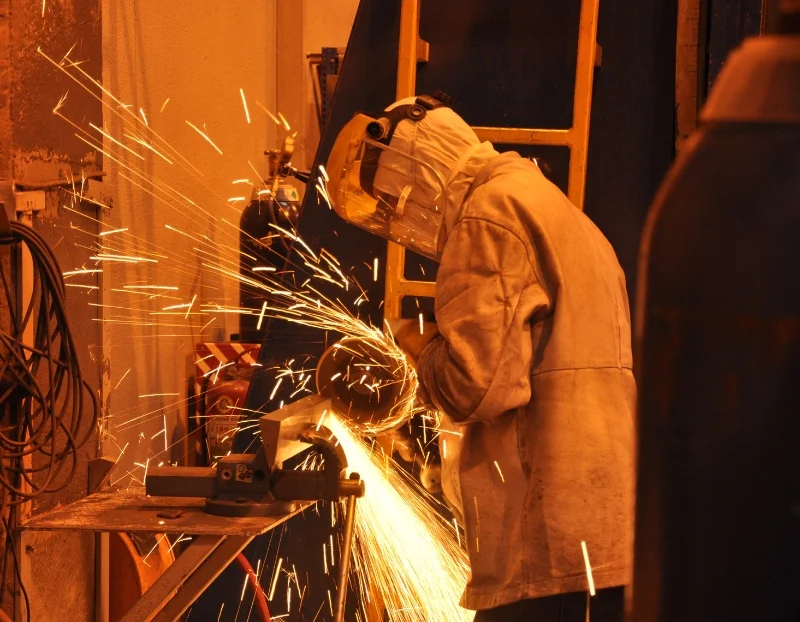
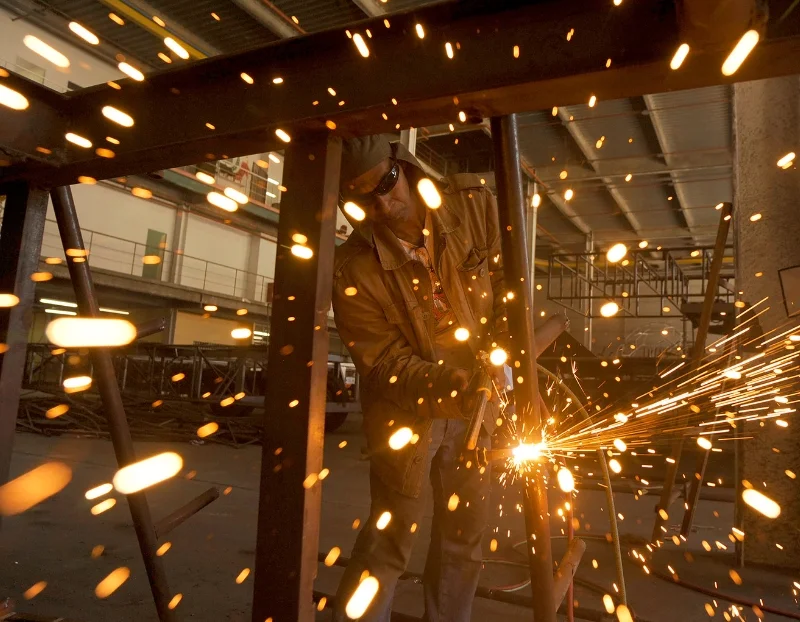
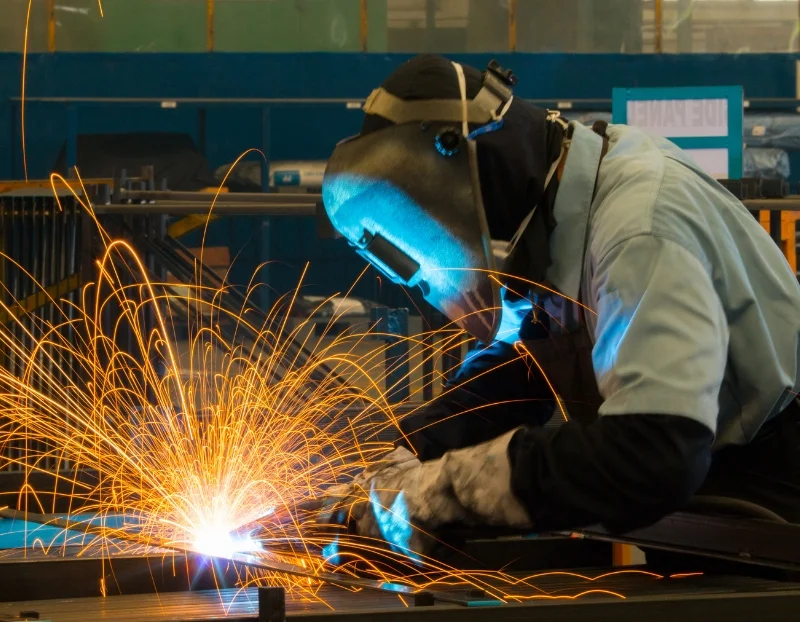
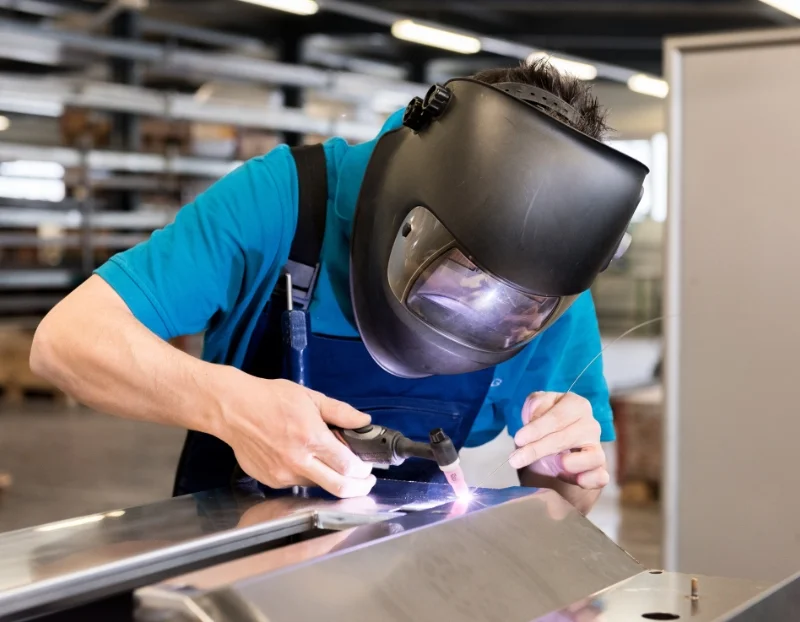
Welding a tube means finding every leak, venting and draining the chamber, removing contamination and oxide, and laying a weld that fuses fully into both sides of the joint. Partners use AC TIG for most crack and seam work and a pulsed MIG spool gun for longer runs or patch plates, with argon shielding and 5356 filler wire or rod. The chamber is then retested with low air pressure and soap.
This page focuses on the tube itself. For the full list of pontoon services, see our pontoon boat repair hub. For general aluminum jobs, see aluminum welding near me.
- 5052-H32 tubes and 5356 filler
- AC TIG and pulsed spool-gun MIG
- Crack, seam and pinhole repair
- Patch plates and doublers
- Low-pressure air and soap testing
What we fix
Tube Problems That Need Welding
Most tube leaks fall into a handful of patterns.
Seam cracks
The longitudinal and circumferential seams on a tube carry a lot of stress. Fatigue cracks often start at a weld toe or a small defect in the original seam.
Bracket toe cracks
Where deck brackets are welded to the tube, flex concentrates stress. Cracks start at the bracket weld and can run into the tube skin.
Pinholes from corrosion
Salt, mixed metals and trapped moisture pit the aluminum until a pit goes through. Usually found under brackets and along the waterline.
Impact punctures
Rocks, stumps, docks and debris punch holes or tears in the tube, most often near the nose cone or along the bottom.
Cone-to-tube joint leaks
The weld joining the nose cone to the tube body takes the first hit in every collision and is a common leak point.
Old failed repairs
Porous, lumpy or cold-lapped welds from earlier repairs leak again. These are ground out completely and redone.
Tube welding services
Pontoon Tube Welding Services
Every repair includes testing before and after the weld.
Crack repair
Crack located, ends stop-drilled, groove ground to sound metal and welded with full fusion using 5356 filler.
Seam rewelding
Leaking factory seams ground out along the bad section and rewelded, with the repair blended into sound weld on each end.
Pinhole and pitting repair
Pits ground back to solid aluminum and filled, with doubler plates where the remaining wall is thin.
Patch plates
Insert patches or overlay doublers with rounded corners, sized to spread load and avoid new stress points.
Nose cone joint repair
Rewelding the cone-to-tube seam or cutting in a new cone section where the original is crushed.
Repair of old repairs
Grinding out failed weld repairs and doing them properly, with a full chamber retest.
Why Alpha Welding
Why Owners Trust Us With Tube Welding
Tube welding rewards care and punishes shortcuts.
Aluminum-first approach
Partners bring AC TIG and spool-gun setups made for thin marine aluminum, not steel rigs adapted for it.
Testing every time
Every repair is pressure-tested before and after welding, so you know it’s sealed.
Repairs where the boat sits
Lift, driveway, storage lot or marina, so you skip the tow to a shop.
Honest scope
If a tube is too far gone to weld, you’ll hear it before you pay for patches.
How it works
How a Tube Weld Repair Works
Same steps every time, because they all matter.
Test and mark
Low air pressure and soap find every leak in the chamber, and each one is marked.
Vent, drain and clean
The chamber is vented and drained, and the metal is cleaned to bright aluminum.
Weld
Cracks are stop-drilled and welded with 5356 filler under argon shielding.
Retest
The chamber is pressure-tested again with soap before the boat goes back in.
Technical guide
Pontoon Tube Welding: The Technical Details
For owners who want to understand what a good tube repair looks like, here is what partner welders do and why.
Why 5356 filler on 5052 tubes
The two common aluminum fillers are 4043 and 5356. On 5052 marine aluminum, 5356 is the usual choice. It has higher strength and better ductility in the finished weld, it matches the magnesium content of the base metal better, and it holds up well in salt and fresh water. 4043 flows nicely and resists hot cracking in some alloys, but it gives a weaker, less ductile weld on 5xxx-series marine sheet. Using the right filler is one of the simplest things that separates a lasting repair from one that cracks again.
AC TIG versus spool-gun MIG
AC TIG is the go-to for most crack and seam repairs on tubes. The alternating current breaks up the oxide layer on the electrode-positive half of the cycle and drives penetration on the other half, and the welder has fine control over heat on thin metal. A pulsed MIG spool gun is faster for long seams and patch plates and handles out-of-position work well. Both use pure argon shielding gas. The choice depends on the joint, the position and access under the boat.
Oxide, moisture and porosity
Aluminum oxide melts at roughly 3,700 degrees Fahrenheit, about three times the melting point of the aluminum under it, so it has to be removed right before welding with a dedicated stainless brush or carbide burr. Hydrogen is the main cause of porosity in aluminum welds, and it comes from moisture, oil, sunscreen, old sealant and lake film. That’s why the area is cleaned with solvent, dried completely and brushed immediately before the arc starts. A weld full of tiny pores will leak, no matter how good it looks on top.
Venting the chamber
A sealed tube chamber is a pressure vessel in a small way. Heat from welding expands the air inside, and that pressure pushes out through the weld puddle, leaving holes and blowouts. Before welding, the chamber is vented, usually by removing the drain plug or opening a small vent hole that’s welded shut at the end. Water is drained out completely, and wet chambers are given time to dry, because steam does the same thing as hot air.
Stop-drilling cracks
A fatigue crack keeps running unless its tip is blunted. Before welding, a small hole is drilled just past each visible end of the crack. That stops it from spreading under the heat and stress of welding. The crack is then ground into a shallow groove down to sound metal so the weld fuses through the full thickness instead of bridging over the top.
Does aluminum need a back purge?
Unlike stainless steel, aluminum doesn’t normally need a back purge. A purge protects the back of a stainless weld from oxidation, but aluminum welds are protected well enough by shielding from the front side when the joint is clean. On a sealed tube you can’t reach the inside anyway. What matters is full penetration with good prep and the right amperage, not gas on the back.
What happens to the metal around the weld
5052-H32 gets part of its strength from strain hardening. Welding heat anneals the metal right next to the weld, called the heat-affected zone, and that area loses some of its hardened strength. A properly made repair restores a sealed, sound joint, but it isn’t magically stronger than the original tube. That’s why high-stress spots like bracket toes and impact areas get a doubler plate or gusset to spread the load, rather than relying on the weld alone.
Patch plates done right
Holes and torn sections get a patch. An insert patch is cut to fit flush in the hole and welded all the way around. An overlay doubler sits on top of a thinned or damaged area and is welded around its edges. Either way, corners are rounded, never square, because sharp corners concentrate stress and start new cracks. Patches are sized to reach solid metal on every side.
Foam and fuel inside tubes
Some pontoons have foam-filled chambers, and some tritoons carry a fuel tank in the center log. Welding heat can melt or ignite foam, so foam near the repair is cut back first. Any space that held fuel or fuel vapor must be emptied, ventilated and made safe before heat is applied. Partners won’t weld near fuel until it’s safe. Tell us about either when you call.
How the leak test works
The chamber is sealed and given a very small amount of air pressure through a regulator, usually a couple of psi, then soapy water is brushed along every seam, bracket and suspect area. Bubbles mark leaks. Too much pressure can bulge or split thin tube skin, so a shop compressor at full output is never used. The same test is repeated after welding to prove the chamber is sealed.
Before the welder arrives
- Get the boat out of the water on a lift, trailer or stands
- Pull the tube drain plugs
- Tell us about foam-filled tubes or a center-log fuel tank
- Make sure power is available or let us know
- Get marina or storage lot approval for hot work
Related welding services
Old repair leaking again?
Send close-up photos of the previous weld. Porous or lumpy repairs are common, and grinding them out and redoing them usually solves it.
Service areas
Pontoon Tube Welding Near Me in Texas
Partner welders cover lakes, bays and storage lots across Texas. Availability is confirmed for each address. Find your area below.
Houston and the coast
Dallas-Fort Worth
Central Texas
South Texas
FAQs
Pontoon Tube Welding Questions
What owners ask about welding aluminum pontoon tubes.
Can an aluminum pontoon tube be welded?
Yes. Most tubes are 5052-H32 marine aluminum, which welds well with 5356 filler when the metal is clean, dry and the chamber is vented. Cracks, seam leaks, pinholes and punctures are all standard repairs, followed by a low-pressure air and soap test.
Is welding a pontoon tube better than using epoxy or sealant?
For cracks and holes, yes. Epoxy and sealants can slow a leak for a while, but they don’t restore the metal and often fail with flexing and temperature changes. They also contaminate the surface, which makes a later weld harder. A proper weld is the lasting fix.
Why did my old tube repair start leaking again?
The most common reasons are porosity from moisture or contamination, poor fusion into the base metal, the wrong filler, or a crack that wasn’t stop-drilled and kept running. The fix is to grind out the old repair completely and reweld it properly.
What filler is used on pontoon tubes?
5356 is the usual choice on 5052 marine aluminum. It gives a stronger, more ductile weld than 4043 on this alloy and holds up well in fresh and salt water.
Is there a pontoon tube welder near me?
Alpha Mobile Welding TX coordinates partner welders across Texas, including Houston, Dallas, Fort Worth, Austin, San Antonio, Corpus Christi and the major lakes. Call or text 979-250-7486 with photos and your location to check availability.
How much does pontoon tube welding cost?
It depends on the number of leaks, access, whether foam or water has to come out, the need for patches and travel. A single pinhole costs far less than a torn cone or wide corrosion. Photos let us give you a realistic estimate first.
How long does a tube repair take?
A single crack or pinhole is often done in a few hours, including testing, venting, draining, welding and retest. Patch plates, cones or several leaks take longer. Scheduling depends on partner availability, and same-day visits are never guaranteed.
Request an estimate
Get Your Pontoon Tube Welded Properly
Send photos of the crack or leak and tell us where the boat is. We’ll reply with an estimate and partner availability near you.
- Free, no-obligation estimates
- Photos help us understand the job faster
- Same-day requests depend on partner availability