Mobile Welding ServicesOn-site welding & metal repair across Texas — we come to you
San Antonio pontoon repair
Pontoon Boat Repair in San Antonio, TX: Mobile Welding for Canyon Lake, Medina Lake and the Guadalupe Valley Lakes
San Antonio pontoon owners mostly boat outside the city, up US 281 or FM 306 to Canyon Lake, west to Medina Lake, or east to the Guadalupe Valley lakes near Seguin. That means long tows, limestone shorelines and lake levels that can swing wildly between wet and dry years. Alpha Mobile Welding TX sends partner welders to San Antonio-area homes, storage lots and lake houses to repair leaking tubes, cracked cones, brackets and motor pods on site. Send photos to start.
Photos speed up your estimate. Visit timing depends on partner availability around San Antonio.
San Antonio-area repairs
What Pontoon Repair Looks Like Around San Antonio
Canyon Lake is the big draw, a deep, clear Corps of Engineers lake on the Guadalupe River in Comal County, with limestone bluffs and rocky points. Medina Lake to the west is known for dramatic level swings. Closer to town, Calaveras and Braunig lakes on the south side are warm power-plant lakes popular for fishing. To the east, Lake McQueeney, Lake Placid and Lake Dunlap line the Guadalupe near Seguin and New Braunfels.
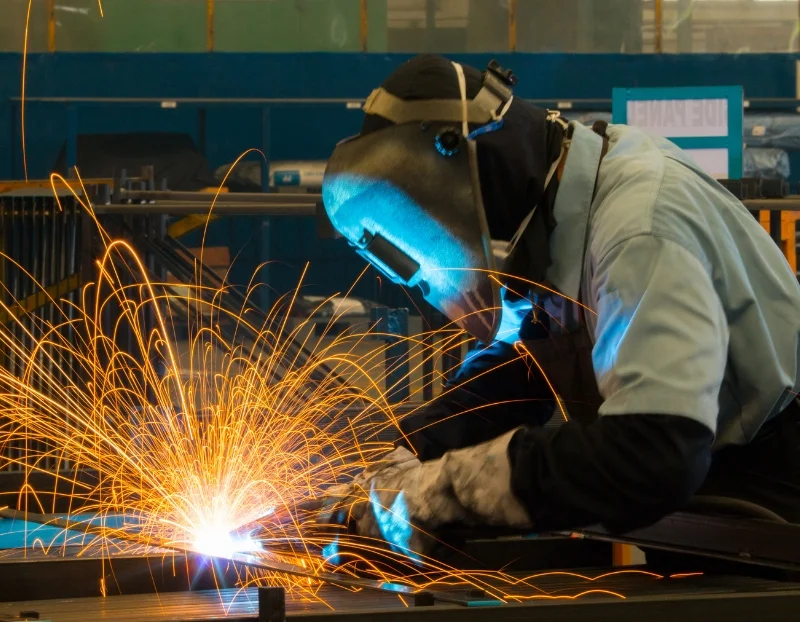
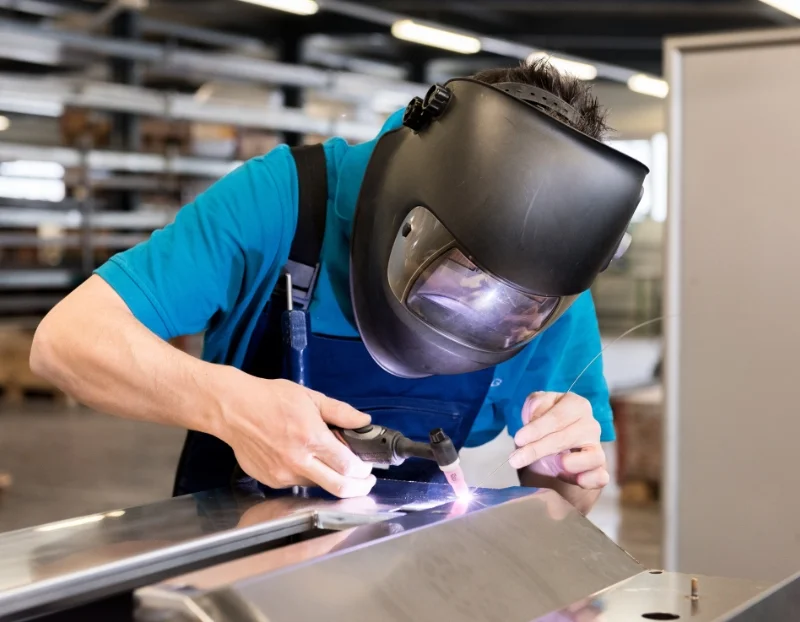
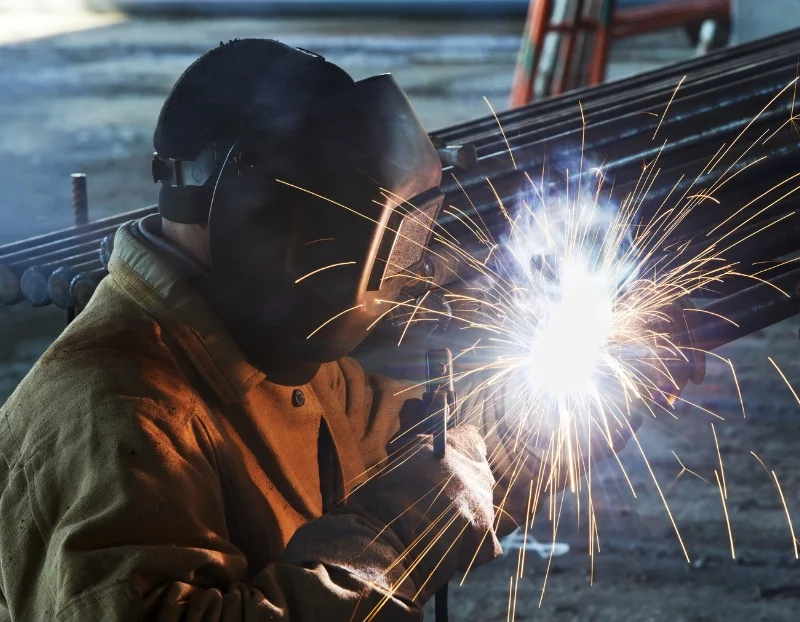
Hard limestone, changing water levels and long tows explain most of the repairs we see: cracked cones and keel seams from rock strikes, bracket cracks from trailer miles on US 281 and I-10, and slow leaks that show up after a boat sits in storage. Partner welders pressure-test the tubes, drain and clean the 5052-H32 aluminum, weld with 5356 filler by TIG or spool gun, reinforce brackets and retest.
The main pontoon boat repair page covers every service. For other metal work, see San Antonio mobile welding.
- Canyon Lake and Medina Lake
- Calaveras and Braunig lakes
- Lake McQueeney, Placid and Dunlap
- Tube leaks, cones and brackets
- Storage lot and lake house repairs
Common damage
Pontoon Problems We See Around San Antonio
Limestone, level swings and long tows cause most of the damage on South Texas pontoons.
Limestone strikes
Canyon Lake’s rocky points and ledges sit close to deep water. Clip one and a cone or keel seam cracks.
Low-water hazards
When Canyon or Medina drops, shelves, humps and old structures appear where boats used to run safely.
Trailer-induced bracket cracks
Long tows on US 281, I-10, FM 306 and SH 46 twist the deck frame. Bracket welds crack first.
Leaks found after storage
A boat that sits crooked at the ramp after months in storage usually has a seam crack or pinhole.
Wind chop on open water
Canyon Lake’s main body gets rough in the wind. Pounding through chop fatigues bracket welds.
Motor pod cracks
Tritoons with big outboards for watersports develop cracks around the transom bracket.
What we repair
Mobile Pontoon Welding Services in San Antonio
Every visit starts with a full leak test and frame check.
Tube leak repair
Low-pressure air and soap testing, draining, grinding to sound metal and 5356 welds, then a second test.
Nose cone repair
Rewelding cracked seams, patching punctures and replacing cone sections after rock strikes.
Bracket and cross member repair
Rewelding cracked brackets, adding gussets and replacing bent cross members under the deck.
Keel and strake repair
New keel guards and lifting strakes where limestone and ramps have worn them down.
Motor pod reinforcement
Crack repair and doublers around outboard mounts, with a check of the pod-to-tube welds.
Trailer welding
Crossmembers, bunk brackets and tongue cracks on pontoon trailers that see long tows.
Why Alpha Welding
Why San Antonio Pontoon Owners Call Alpha Welding
The lakes are far enough without adding a shop trip.
We come to you
Driveway, storage lot, lake house or marina, with permission.
Aluminum focus
AC TIG and spool-gun setups made for thin marine aluminum.
Boat and trailer together
Trailer and pontoon repairs can often be done in one visit.
Straight answers
If a log needs replacing, you’ll hear it before paying for patches.
How it works
How a San Antonio Pontoon Repair Works
Four steps from photos to retest.
Send photos
Call or text 979-250-7486 with photos and where the boat is kept.
Estimate
We check partner availability and explain price, prep and approvals.
On-site repair
The partner tests, drains, cleans and welds the tubes, brackets or trailer.
Retest
Low-pressure air and soap confirm the repair before the next trip.
Local guide
San Antonio Pontoon Owner's Repair Guide
Notes for pontoon owners in San Antonio, New Braunfels, Seguin, Boerne and the Hill Country, from what partner welders see most.
Canyon Lake: deep water, hard edges
Canyon Lake is deep and clear, and that’s part of the problem. Water that looks safe can turn into a limestone ledge within a boat length near points and along the bluffs. Lake level can drop a lot in drought, exposing shelves and old roadbeds that are normally well under the surface. Most of the cone and keel damage we see from Canyon Lake happens near points or in coves after a level change. If you hit rock, check both front cones, the keel seam and nearby brackets before running fast again.
Medina Lake and big level swings
Medina Lake, west of the city in Medina and Bandera counties, is famous for how far its level can fall in dry years and how fast it can come back after heavy rain. Low water turns familiar coves into rock and mud, and ramps get long and steep. Boats that run Medina should expect to see hazards change every season. Keel guards and strakes wear fast here, and cones take hits on exposed rock.
Calaveras and Braunig lakes
Calaveras and Braunig, on the southeast side of town, are power-plant cooling lakes known for warm water and good fishing. They’re close to the city, so pontoons there see short tows and lots of trips. Warm water doesn’t hurt aluminum on its own, but boats left in the water or used heavily still develop slow leaks, worn keels and bracket cracks over time.
The Guadalupe Valley lakes
Lake McQueeney, Lake Placid and Lake Dunlap are narrow river lakes on the Guadalupe between New Braunfels and Seguin, lined with homes, docks and lifts. These lakes have seen dam failures and repair projects in recent years, and levels and conditions have changed with them. Boats here usually live on lifts at the house, so repairs are often done right there with the boat raised. Slow leaks and bracket fatigue from wake traffic are the common issues.
Trailer miles and bracket cracks
Most San Antonio pontoons tow 30 to 60 minutes to the lake. Every bump on US 281, I-10 or FM 306 twists the deck frame, and stress collects at the bracket welds. Cracks start at the toe of the weld. Partners grind them out, stop-drill the ends if they’ve reached the tube skin, reweld and add gussets where the bracket is too light. Even bunk support on the trailer helps prevent repeat cracks.
Storage lots around the city
Many San Antonio neighborhoods limit boats in driveways, so pontoons often sit in storage along Loop 1604, Loop 410 or US 281. Repairs can usually be done right there, though some lots want notice before welding, and covered spaces with low roofs limit access. Send a photo of the space so the partner can plan.
How the leak is found
The chamber is sealed and given a very small amount of air pressure, usually a couple of psi. Soapy water goes along every seam, bracket and cone, and each bubble is marked. Too much pressure can split a tube, so a regulator keeps it low. Older boats often have more than one leak, and all of them get fixed in one visit.
What makes the weld hold
The oxide layer has to come off right before welding, and the metal must be dry. Water, oil and sunscreen residue cause porosity. Partners use argon shielding and 5356 filler, a good match for 5052 tubes, and get full fusion on both sides of the crack. High-stress areas get a doubler or gusset so the weld doesn’t carry the whole load.
Summer heat
South Texas summers are long and hot. Heat doesn’t harm the aluminum itself, but it makes welding on exposed tubes uncomfortable and can hide a slow leak, since trapped water evaporates and condenses inside the tube. Early-morning repairs are easier on everyone. Pull the drain plugs a few times each season to catch leaks.
Watersports tritoons
Canyon Lake and the Guadalupe Valley lakes see plenty of tritoons pulling tubes and skiers. Hard acceleration loads the transom bracket and the welds tying it to the center tube. Look for hairline cracks around the mounting bolts. Partners reweld and add doublers or gussets. Stay within the horsepower rating on the capacity plate.
Repair or replace a log?
Cracks, pinholes, seam leaks and bracket damage are repairs. Replacement makes sense when a tube is crushed for several feet or thin across wide areas. Check warranty terms with the dealer before outside welding on a newer boat.
Before the welder arrives
- Put the boat on its trailer, lift or stands
- Pull the tube drain plugs
- Get storage lot or marina approval for hot work
- Tell us about foam-filled tubes or a center-log fuel tank
- Let us know if power is available
Related welding services
Hit rock on Canyon Lake?
Send photos of the front cones and keel. We’ll tell you if it’s safe to run and what the repair involves.
Service area
Pontoon Repair Near Me in San Antonio
Partner welders cover San Antonio, the Hill Country lakes and the Guadalupe Valley. Availability is confirmed for each address, and marina jobs need approval for hot work.
Canyon Lake
- Canyon Lake
- Startzville
- Sattler
- Spring Branch
- New Braunfels
Guadalupe Valley lakes
- Seguin
- McQueeney
- Lake Placid
- Lake Dunlap
- Schertz
San Antonio and south
- San Antonio
- Calaveras Lake
- Braunig Lake
- Floresville
West and Hill Country
- Medina Lake
- Bandera
- Boerne
- Helotes
FAQs
San Antonio Pontoon Repair Questions
What South Texas pontoon owners ask us most.
Is there a mobile pontoon welder near me in San Antonio?
Alpha Mobile Welding TX coordinates partner welders who cover San Antonio, New Braunfels, Canyon Lake, Seguin, Boerne and nearby lake areas. Call or text 979-250-7486 with photos and the boat’s location, and we’ll confirm availability and give you an estimate.
Can you repair my pontoon on a lift at Lake McQueeney or Canyon Lake?
Usually. The tubes need to be raised clear of the water and dry, with room for the welder underneath. If the lift can’t expose the damage, the boat goes on a trailer or stands.
I hit a limestone ledge. What should I check?
Look at both front cones, the keel seam and the nearest bracket welds. Pull the drain plugs after the boat sits for a day. Cracks, split seams or water coming out mean it needs repair before the next run.
Why does my pontoon sit crooked after storage?
Usually one tube took on water through a seam crack, pinhole or bracket crack. Pull the drain plug on the low side. If water comes out, there’s a leak to find. Uneven bunks can also cause it.
How much does pontoon repair cost in San Antonio?
It depends on the number of leaks, access, whether water or foam has to come out and the drive to your location. One pinhole costs much less than a crushed cone or several brackets. Photos let us give you a realistic estimate.
How long does a repair take?
A single crack or pinhole is often done in a few hours, including testing and retesting. Cones or several brackets take longer. Timing depends on partner availability, and same-day visits are never guaranteed.
Do you repair pontoon trailers too?
Yes. Long tows crack trailer crossmembers, bunk brackets and tongues. Since the boat sits on the trailer during the repair, both are often fixed in the same visit.
Request an estimate
Get Your San Antonio Pontoon Fixed
Send photos and tell us where the boat is kept. We’ll reply with an estimate and partner availability around San Antonio.
- Free, no-obligation estimates
- Photos help us understand the job faster
- Same-day requests depend on partner availability