Mobile Welding ServicesOn-site welding & metal repair across Texas — we come to you
Mobile pontoon repair across Texas
Aluminum Pontoon Tube Repair in Waco & Lake Whitney: Mobile Marine Welding Near You
A leaking pontoon tube, a cracked mounting bracket or a damaged cross member can end your time on the water fast. Our mobile marine welding service sends certified partner welders to your dock, boat lift, storage lot or driveway around Waco, Lake Whitney, Lake Waco and Lake Belton. Using portable TIG and spool-gun MIG setups with marine-grade 5356 aluminum filler, they make on-site structural repairs that restore your boat without hauling it to a shop. Send us photos of the damage, and we’ll review them and give you a clear estimate before anyone heads your way.
Photos help us quote faster. Visits depend on partner availability around Waco.
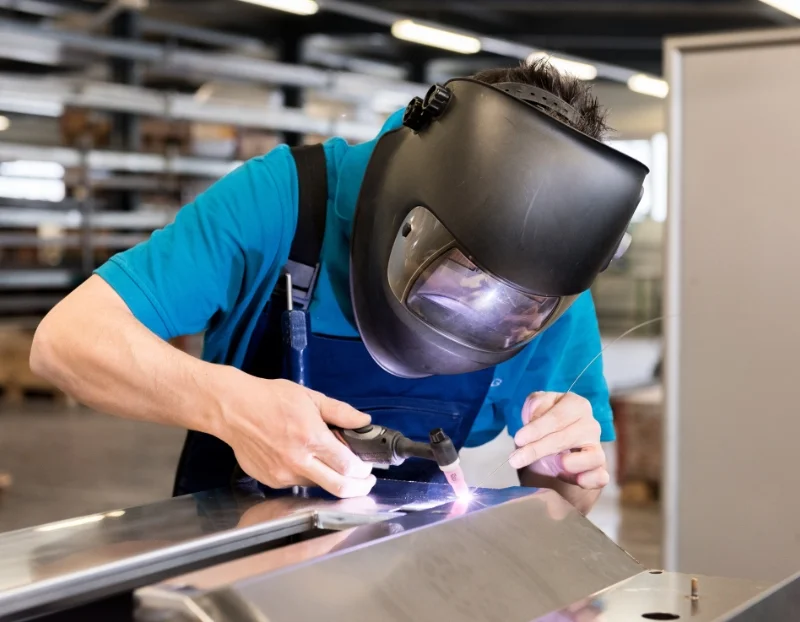
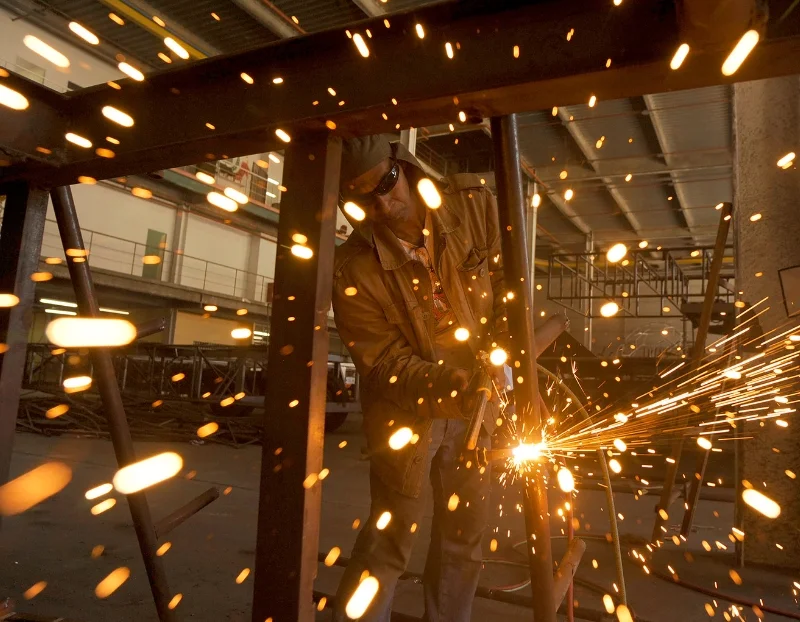
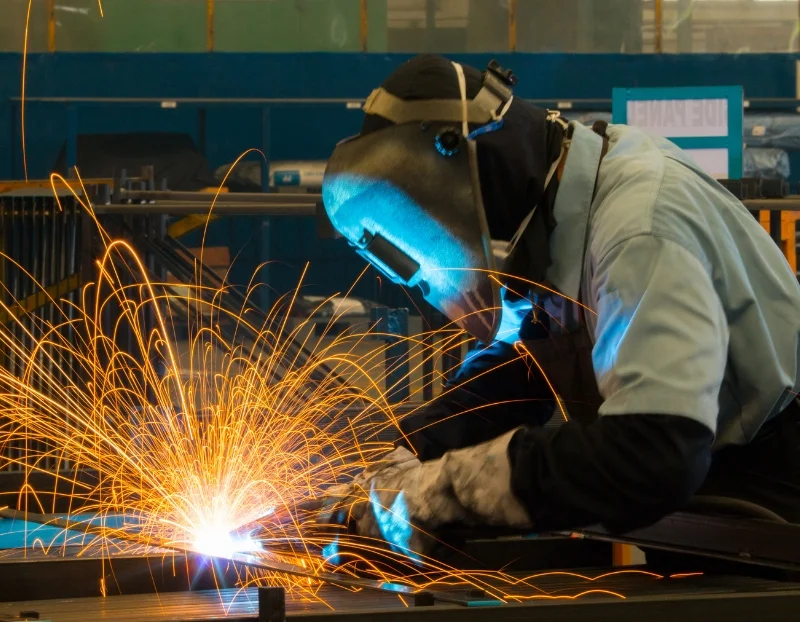
Waco-area repairs
What Pontoon Repair Looks Like Around Waco
Most Waco pontoon owners trailer their boats. Lake Waco sits right on the west side of town, Lake Whitney is a drive up SH 6 or SH 22, and Lake Belton and Stillhouse Hollow are down I-35 near Temple and Belton. That means a lot of highway miles, a lot of ramp launches, and frames that flex every time the trailer hits a rough expansion joint. Bracket cracks and cross member damage show up here more than on boats that sit on a lift all year.
The other big source of damage is open water. Lake Whitney and Lake Belton get rough fast when the south wind picks up, and limestone ledges and rocky points sit close to the surface in places. Pontoon tubes are thin 5052-H32 aluminum, and a hard landing off a wave or a clipped ledge can crack a seam or split a nose cone.
Partner welders find every leak with a low-pressure air test, drain and clean the chamber, and weld with 5356 filler using TIG or a spool gun. For the full list of services, see our pontoon boat repair hub, and for other work around the house or ranch, our Waco mobile welding page.
- Lake Waco, Lake Whitney, Lake Belton
- Tube leaks and seam cracks
- Nose cone and keel repair
- Bracket and cross member welding
- Pontoon trailer repair
Common damage
Pontoon Damage Common in Central Texas
Wind, rock and trailer miles are behind most of what we repair around Waco.
Rock and ledge strikes
Lake Whitney’s limestone shoreline and rocky points catch plenty of boats, especially when the lake is down. Split nose cones and cracked keel seams are typical.
Wave pounding
A south wind on Whitney or Belton builds steep chop. Tubes slamming into it work every bracket weld on the boat, and the weakest one cracks first.
Trailer-induced bracket cracks
Highway miles on I-35, SH 6 and county roads twist the deck frame. Cracks start at the bracket welds and can spread into the tube skin.
Leaking chambers
A pontoon that lists, sits nose-down or gets slow usually has water in a tube from a pinhole, seam crack or corrosion spot.
Worn keels from beaching
Gravel beaches and coves on Lake Waco and Lake Belton grind keels and strakes thin over a few seasons.
Motor pod cracks
Tritoons with larger outboards put stress on the transom bracket. Cracks around the mounting plate need attention before the next hard run.
What we repair
Mobile Pontoon Welding Services in Waco
Every repair starts with a full check, not just a patch on the crack you can see.
Tube leak repair
Low-pressure air and soap testing, draining, grinding cracks to sound metal and full-fusion welds with 5356 filler, then a second test.
Nose cone repair
Rewelding split cone seams, patch plates over punctures and replacement cone sections when a rock strike crushes the original.
Bracket and cross member repair
Rewelding cracked brackets, adding gussets on flexing joints and replacing bent cross members under the deck.
Keel and strake repair
New keel guard strips and lifting strakes welded on where ramps and beaches have worn the originals thin.
Motor pod reinforcement
Crack repair and doubler plates around outboard mounts, plus checking the welds that tie the pod to the center tube.
Pontoon trailer welding
Cracked crossmembers, bunk brackets, tongue repairs and rusted frame sections on the trailer that hauls the boat.
Why Alpha Welding
Why Central Texas Boaters Call Alpha Welding
Getting a pontoon to a shop and back is often the hardest part of the repair.
We come to you
Driveway, storage lot, lake house or ramp parking with permission. No dropping the boat off for a week.
Aluminum focus
Thin marine aluminum takes clean prep, AC TIG or a spool gun, and the right filler. That’s how partners approach it.
Boat and trailer together
Many owners get the trailer crossmember and the pontoon bracket fixed in one visit.
Honest scope
If a log should be replaced, we say so before you pay for a patch that won’t hold.
How it works
How a Waco Pontoon Repair Works
Clear steps, no surprises.
Send photos
Call or text 979-250-7486 with photos of the damage and where the boat is parked.
Estimate
We review the damage, check partner availability near Waco and explain price and prep.
Repair on site
The partner tests for leaks, drains, cleans and welds the tubes, brackets or trailer.
Retest
Low-pressure air and soap confirm the chamber is sealed before you head back out.
Local guide
Central Texas Pontoon Owner's Repair Guide
Practical notes for pontoon owners around Waco, Whitney, Belton and Temple, based on the repairs partner welders do most.
Lake Whitney: big water, hard bottom
Lake Whitney is a long Corps of Engineers reservoir on the Brazos, with limestone bluffs and rocky points along much of its shoreline. When the wind lines up with the long reaches of the lake, waves build quickly, and pontoons take a pounding coming back to the ramp. Add in lower lake levels during dry years and you get rock strikes on points that are normally safe. After a rough day or a hit, check the front cones, the keel seam and every bracket weld before you put the boat away.
Lake Waco and the Bosque arm
Lake Waco is the city’s water supply reservoir and the closest launch for most Waco owners. It’s smaller and more sheltered than Whitney, but shallow flats, stumps and gravel shorelines in the coves still wear keels and strakes. Boats that get beached at the same spot every weekend show worn keel guards and scraped tube bottoms first. Worn strakes get replaced, and thin spots on the tube get a doubler plate before they wear through.
Trailer miles and frame cracks
Most boats around Waco travel to the lake on a trailer, often over county roads and the rough joints on I-35. Each bump twists the deck frame, and the stress collects at the brackets where the cross members bolt to the tubes. A crack usually starts at the toe of the bracket weld. Partners grind it out, stop-drill the end if it has started into the tube skin, reweld and add a gusset if the bracket is too light. Checking bunk height and spacing on the trailer helps keep it from coming back.
Lake Belton and Stillhouse Hollow
Owners in Temple, Belton and Killeen mostly run Lake Belton and Stillhouse Hollow. Both are Corps lakes with clear water and rocky, steep banks in many spots, and both get busy on summer weekends. Wakes from bigger boats and wind chop on the open water work the pontoon frame hard. We see bracket cracks, cone damage from rocky shorelines and keel wear from gravel beaches. The repair approach is the same as anywhere else: find every leak, fix all of it, and test before launch.
How the leak gets found
The partner seals the chamber, adds a very small amount of air pressure, usually a couple of psi, and brushes soapy water over seams, cones, brackets and the keel. Bubbles mark the leaks. Too much pressure can bulge or split thin tube skin, so this is done carefully with a regulator. Older boats often have two or three leaks in one chamber, and fixing all of them now saves a second visit later.
What makes the weld last
The aluminum oxide skin has to be removed right before welding with a stainless brush or grinder, and the area has to be completely dry. Trapped water, oil and sunscreen residue cause porosity, which leaks. Partners weld with argon shielding and 5356 filler, a good match for 5052 tubes, and get full fusion on both sides of the crack. High-stress spots like bracket toes get a gusset or doubler so the repair isn’t carrying all the load alone.
Repair, patch or replace
Cracks, pinholes and bracket damage are repairs. Torn cones usually get a patch or new cone section. Replacement makes more sense when a log is pitted across large areas or crushed for several feet. If the boat is still under warranty, check with the builder or dealer first.
Before the welder arrives
- Put the boat on its trailer or stands, out of the water
- Pull the tube drain plugs
- Tell us about foam-filled tubes or a center-log fuel tank
- Have power available or let us know there's none
- Get permission if the repair is at a ramp or storage lot
Related welding services
Cracked bracket after a long tow?
Send photos of the bracket and the tube around it. We’ll tell you if it’s safe to run and what the repair involves.
Service area
Pontoon Repair Near Me Around Waco
Partner welders cover Waco, the surrounding towns and the lakes nearby. Availability is confirmed for each address, and repairs at public ramps or marinas need permission first.
FAQs
Waco Pontoon Repair Questions
Straight answers for Central Texas pontoon owners.
Is there a mobile pontoon welder near me in Waco?
Alpha Mobile Welding TX coordinates partner welders who cover Waco, Hewitt, Woodway, Lake Whitney and the Temple and Belton area. Call or text 979-250-7486 with photos and your address, and we’ll confirm availability and give you an estimate.
Can a cracked pontoon nose cone be fixed or does it need replacing?
Most cracked cones can be welded, and small punctures take a patch plate. A cone that’s crushed or torn open over a large area is usually better replaced with a new cone section welded to the tube. Photos of the front and underside help us tell you which.
How do I know if my pontoon tube has water in it?
Signs include listing to one side, sitting low at the bow or stern and slow acceleration. Put the boat on the trailer, pull the drain plug on each tube and watch what comes out. More than a little water means a leak worth finding.
Can you fix my pontoon trailer at the same time?
Yes. Cracked crossmembers, bunk brackets, tongue repairs and rusted frame sections are common on pontoon trailers. Since the boat is sitting on the trailer during the repair anyway, many owners have both fixed in the same visit.
How long will the repair take?
One crack or pinhole is often done in a few hours on site, including testing, draining, welding and the retest. Nose cone work, several brackets or trailer repairs take longer. Timing depends on partner availability near Waco, and same-day visits are never guaranteed.
What does a pontoon tube repair cost around Waco?
It depends on how many leaks there are, how easy they are to reach, whether water or foam has to come out of the chamber, and the drive to your location. A single pinhole costs far less than a crushed nose cone or several cracked brackets. Send clear photos and we will give you a real estimate before anything is scheduled.
Request an estimate
Get Your Central Texas Pontoon Repaired
Send photos and tell us where the boat is parked. We’ll reply with an estimate and partner availability around Waco.
- Free, no-obligation estimates
- Photos help us understand the job faster
- Same-day requests depend on partner availability