TRUCK WELDING REPAIR
Mobile Truck Welding and Metal Repair
A cracked headache rack, a torn stake pocket or a flatbed deck rusting through does not need a trip to a body shop. Alpha Mobile Welding TX coordinates partner welders who repair truck bodies, beds, racks, bumpers, steps and hitch mounts where the truck is parked: your yard, a job site or a fleet lot. Steel and aluminum, MIG, stick and TIG. Just as important, partners know which repairs on a commercial vehicle are regulated, and they say so instead of welding something they should not. Call 979-250-7486 to describe the damage.
Field response subject to partner availability. Frame and suspension work is evaluated case by case.
What this covers
What mobile truck welding covers, and what it does not
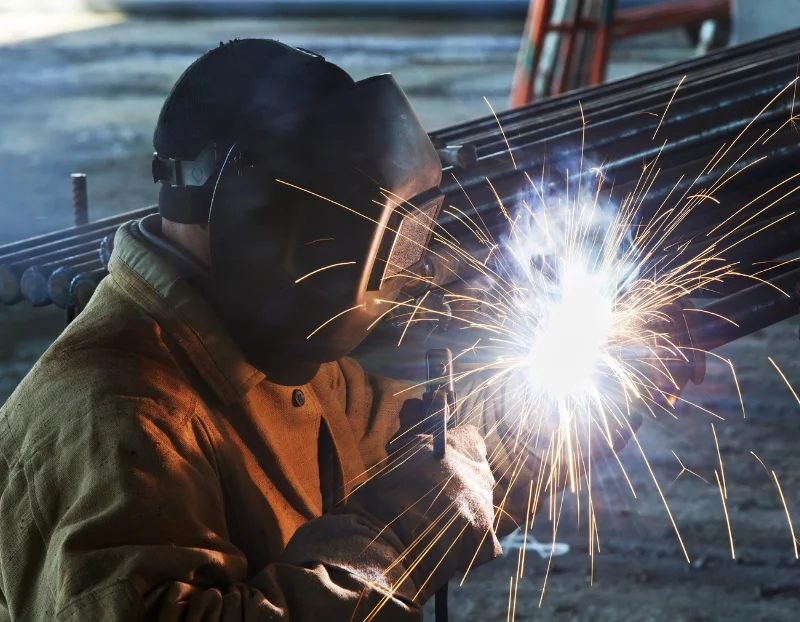
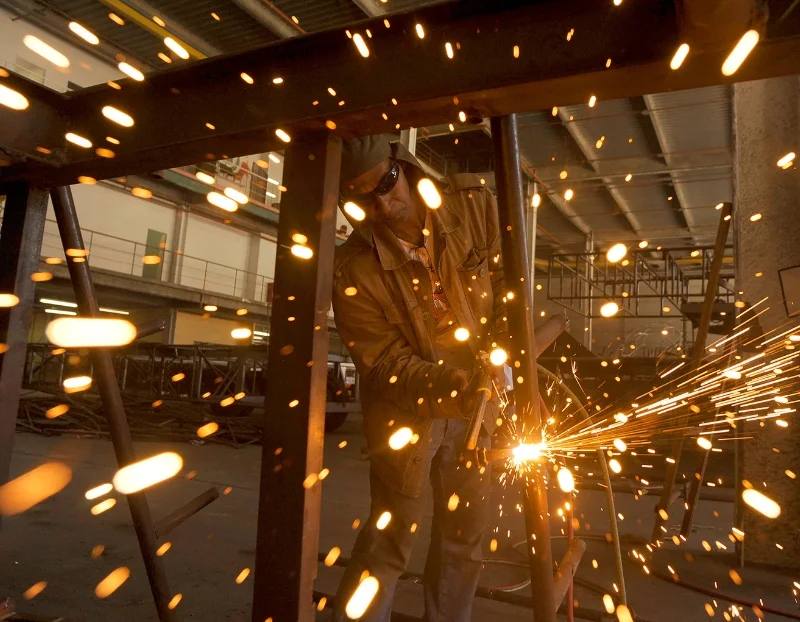
Most truck welding is bolt-on and body work: the steel and aluminum that gets attached to a chassis rather than the chassis itself. Headache racks, toolboxes, flatbed decks and rub rails, stake pockets, ladder racks, bumpers, steps, mud-flap hangers, exhaust hangers, tailgate hardware, service-body doors and shelving, dump-bed floors and sides, receiver hitch mounts and gooseneck ball plates. These parts crack from vibration, rust from standing water and get bent by loaders and backing accidents. Partners repair them in the field.
Then there is the regulated side. Frame rails, crossmembers on commercial vehicles, suspension hangers, steering components, fifth-wheel plates and axle components are safety-critical. Repairs there are governed by manufacturer procedures and, for commercial motor vehicles, by FMCSA rules under 49 CFR 393.201, which prohibit welding frame rails except in accordance with the manufacturer’s recommendations. Partners evaluate these jobs individually and often decline or refer them to a dealer or frame shop. That is what keeps a truck legal and a driver safe.
In between sit hitch mounts and gooseneck plates that carry a rated load. They are repaired with the rating in mind, and a partner will say when the mount should be replaced instead.
- Steel and aluminum truck bodies, beds and racks repaired on-site
- Frame, suspension and steering work evaluated against manufacturer and FMCSA rules
- Battery and ECU disconnected and ground placed correctly before every weld
- Fuel tanks, DEF lines and air lines protected or moved
- Fleet maintenance visits scheduled around your routes
Common failures
What breaks on working trucks
Work trucks fail in predictable places, and most of them are field-repairable.
Cracked headache racks and ladder racks
Vibration cracks the uprights where they meet the mounting plate. Partners grind out the crack, re-weld and add gussets so the same spot does not open again.
Rotten flatbed decks and rub rails
Water sits under the load and eats the deck from the top. Rub rails and stake pockets tear loose from strap tension. Decks are patched or replated, pockets re-welded.
Bent bumpers, steps and hangers
Mud-flap hangers, exhaust hangers and steps snag on curbs and dock plates. Partners straighten, re-weld or fabricate replacements from flat bar and tube.
Service-body doors and shelving
Door hinges tear out, latches stop catching, and shelf brackets crack under tool weight. Repairs restore the body without replacing a whole compartment.
Dump-bed floors and sides
Abrasive loads wear floors thin and crack the side-to-floor seam. Floors are patched with AR plate where wear is the problem and mild steel where rust is.
Hitch and gooseneck mounts
Cracked receiver tubes and loose gooseneck ball plates are towing hazards. Repairs are made to the original design and rating, or the mount is replaced.
Services
Mobile truck welding services
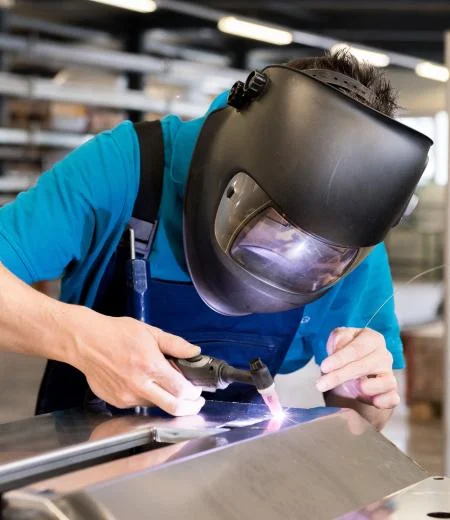
Partners bring MIG, stick and TIG to the truck and work around your schedule.
Steel body and accessory repair
Racks, toolboxes, bumpers, steps, hangers, tailgate hardware and brackets welded with MIG or 7018 stick, ground smooth and primed.
Flatbed and dump-bed repair
Deck patching and replating, rub rail and stake pocket repair, dump floor and side wall patching, tailgate hinge and latch rebuilds.
Aluminum truck bodies and beds
TIG or spool-gun MIG repair of aluminum flatbeds, service bodies, headache racks and toolboxes with 4043 or 5356 filler after thorough cleaning.
Hitch mounts and gooseneck plates
Receiver tube and gooseneck ball plate repair done to the original design, with clear advice on when the mount should be replaced instead.
Fleet maintenance arrangements
Recurring visits to fleet lots so minor cracks and rust are caught early, with repairs batched across several trucks in one trip.
Frame and structural evaluation
Partners inspect frame, crossmember and suspension damage, explain the manufacturer and FMCSA requirements, and refer the job if it cannot be done in the field.
Why Alpha Welding
Why fleets and owner-operators call Alpha
The goal is a repair that lasts and a truck that stays legal.
Honest about limits
Frame rails, suspension and steering get a straight answer, not a quick weld. Partners refer regulated work rather than risk it.
Right process per metal
Steel gets MIG or stick; aluminum gets TIG or spool gun with matched filler. No mystery wire on an aluminum bed.
Electronics protected
Battery and ECU disconnected, ground clamp close to the weld, fuel and DEF lines shielded before the arc strikes.
On your lot, on your schedule
Trucks stay in service. Partners come to the yard or job site, and fleets can book recurring visits.
How it works
Getting a truck repaired
Four steps from damage to back on the road.
Describe the damage
Send photos, the truck type and whether the part is bolt-on, body or chassis. That decides field job or referral.
Get a scoped estimate
Pricing covers the repair, any plate or tube needed and travel. Regulated items are flagged before anyone drives out.
Prep the truck
Partner disconnects the battery, isolates electronics and clears fuel, DEF and air lines from the heat zone.
Weld, inspect, finish
Repair is welded, inspected, ground where needed and primed. The truck goes back to work the same day in most cases.
Technical guide
How partners approach welding on a truck
Trucks are full of things that do not like heat or stray current. This is how a careful welder handles them.
Battery, ECU and ground placement
Modern trucks carry engine and body control modules, ABS controllers and sensors that can be damaged by welding current finding its way through the harness. Partners disconnect the battery negative, and on newer trucks follow the manufacturer’s procedure for isolating the ECU, which may mean unplugging modules or fitting a surge protector. The ground clamp goes on clean metal as close to the weld as possible, never across a bearing, driveshaft, spring or wiring, so current takes the short path.
Fuel tanks, DEF and air lines
Fuel tanks are the hard line: partners do not weld on or next to a fuel tank, and a repair close to one means the tank is dropped or shielded with the vapor risk assessed first. Diesel exhaust fluid lines, nylon air brake lines and wiring loom all melt at temperatures a weld reaches easily, so they are moved or covered with welding blankets. Hydraulic lines on dump beds and liftgates get the same treatment, and a fire watch stays on the job during and after welding.
Routine body and accessory repairs
For steel racks, decks, bumpers and brackets, the method is familiar: grind the crack to its end, drill a small stop hole if it is in a long member, bevel heavier sections, weld with MIG or 7018 stick, and gusset where a fatigue crack started. Rotten deck plate is cut back to sound metal and patched, not covered. Stake pockets get fully welded on all sides because strap tension pulls on them in every direction. Repairs are cleaned and primed so road spray does not restart the rust.
Aluminum bodies, beds and racks
Aluminum flatbeds, service bodies and headache racks need a different approach. The oxide layer is removed with a dedicated stainless brush, the area is degreased, and the weld is made with TIG for thin or visible work or a spool-gun MIG for heavier sections. Filler is matched to the alloy: 5356 for most 5xxx and 6xxx structural extrusions, 4043 where cracking is a concern and the joint is not heat-treated after. Aluminum loses strength in the heat-affected zone, so doublers are added where a cracked mount must carry its original load.
Frame rails, crossmembers and suspension
This is where partners slow down. Frame rails on commercial vehicles fall under 49 CFR 393.201, which says frames must not be welded except in accordance with manufacturer recommendations, and most heavy-truck makers restrict or prohibit field welding of rail flanges. Crossmembers, spring hangers, steering linkage, fifth-wheel plates and axle housings carry the same weight of rules. Partners inspect, photograph and explain the options, which often means a dealer or frame shop doing the repair under OEM procedures with inspection. See the truck frame welding guide for the details.
Hitches, gooseneck plates and ratings
A receiver hitch or gooseneck plate carries a rated load, and that rating assumes the original welds and material. A partner can repair a cracked receiver tube or re-weld a plate pulled loose from a bed cross-sill, but the repair is only as strong as the surrounding steel. Where the mount has stretched, thinned or been welded over before, replacement is the honest recommendation. No partner wants to be the welder behind a trailer that came off on I-10.
What to have ready for a fleet visit
- Photos of each truck and the damaged part
- Truck year and model so electrical isolation is planned
- Whether the part is bolt-on, body or chassis
- Access to a level, dry spot with room for a welding rig
- Any OEM repair procedures you already have on file
Related welding services
Not sure if your repair is regulated?
Send a photo. Alpha will tell you whether a partner can weld it in the field or whether it belongs with a dealer or frame shop.
Service areas
Truck welding coverage across Texas
Partner welders serve fleet lots, truck stops, distribution centers, construction sites and owner-operators across Texas. Coverage and travel are confirmed per address; same-day visits depend on partner availability. Recurring fleet visits can be arranged.
Dallas–Fort Worth
Austin and San Antonio
FAQs
Truck welding repair questions
What fleet managers and owner-operators ask before booking.
Can you weld my truck frame?
Usually not in the field. Frame rails on commercial vehicles are covered by 49 CFR 393.201 and manufacturer procedures, and most makers restrict field welding. Partners inspect, explain the rules and refer the job to a dealer or frame shop when required.
What repairs are routine and done on-site?
Headache racks, toolboxes, flatbed decks, rub rails, stake pockets, ladder racks, bumpers, steps, mud-flap and exhaust hangers, tailgate hardware, service-body doors and shelving, and dump-bed floors and sides. These are body and accessory repairs with no regulatory restriction.
Do you disconnect the battery before welding?
Yes. The battery negative is disconnected and, on newer trucks, the ECU and other modules are isolated per the manufacturer’s guidance. The ground clamp is placed close to the weld on clean metal so current never runs through bearings, wiring or sensors.
Can you weld near the fuel tank?
No welding is done on a fuel tank, and work close to one requires the tank to be dropped or shielded with the vapor risk assessed. DEF lines, air brake lines and wiring are moved or covered. If the job cannot be made safe, the partner says so.
Can you repair aluminum truck beds and bodies?
Yes. Aluminum flatbeds, service bodies and racks are repaired with TIG or spool-gun MIG using 4043 or 5356 filler after the oxide is removed and the area is degreased. Doublers are added where a cracked mount must carry its original load.
Will you fix a cracked hitch or gooseneck plate?
If the surrounding steel is sound, yes, repaired to the original design. A mount that has stretched, thinned or been welded over before should be replaced because the repair cannot restore the rating. Partners give that call honestly.
Does welding affect a commercial vehicle inspection?
Body and accessory repairs do not. Frame, suspension and steering repairs can, which is why partners only do them under manufacturer procedures or refer them. Keep repair records with the truck for inspectors.
Can partners handle a whole fleet?
Yes. Fleet maintenance arrangements schedule recurring lot visits so cracks and rust are caught early and several trucks are repaired in one trip. Photos ahead of time keep each visit efficient.
What welding processes are used on trucks?
MIG and 7018 stick for steel bodies and accessories, TIG or spool-gun MIG for aluminum. FCAW is used on heavy, dirty steel such as dump beds. Process is chosen by metal, thickness and position.
How soon can a partner get to my truck?
Often within a day or two, sometimes same day, always subject to partner availability near you. For a truck stuck on the road, call and Alpha will check which partner is closest.
Request an estimate
Get your truck back to work
Send photos and the truck model. Alpha will confirm whether the repair is a field job, price it and coordinate a partner welder near you.
- Free, no-obligation estimates
- Photos help us understand the job faster
- Same-day requests depend on partner availability